Performance vs. Longevity Training: Similarities & Differences
Key Points
Shared Foundations in Strength Training: Whether for performance or longevity, both training styles start with core exercises like squats, deadlifts, presses, and rows, helping build overall strength and mobility.
Progressive Overload: Both methods rely on progressively increasing weight to stimulate muscle adaptation. This is essential for building strength, improving function, and maintaining physical independence.
Differences in Intensity, Volume, and Recovery: Performance training typically involves higher volumes and intensities, which can increase the risk of injury. Longevity training, by contrast, focuses on moderate intensity to ensure sustainable strength gains with less risk of strain.
Joint and Connective Tissue Health: Performance training can place greater stress on joints over time. Longevity training emphasizes joint stability and mobility to protect against wear and tear.
Choosing the Right Approach: Selecting between performance and longevity training depends on your goals. Performance training suits those chasing peak athletic abilities, while longevity training supports lifelong health and resilience.
Introduction:
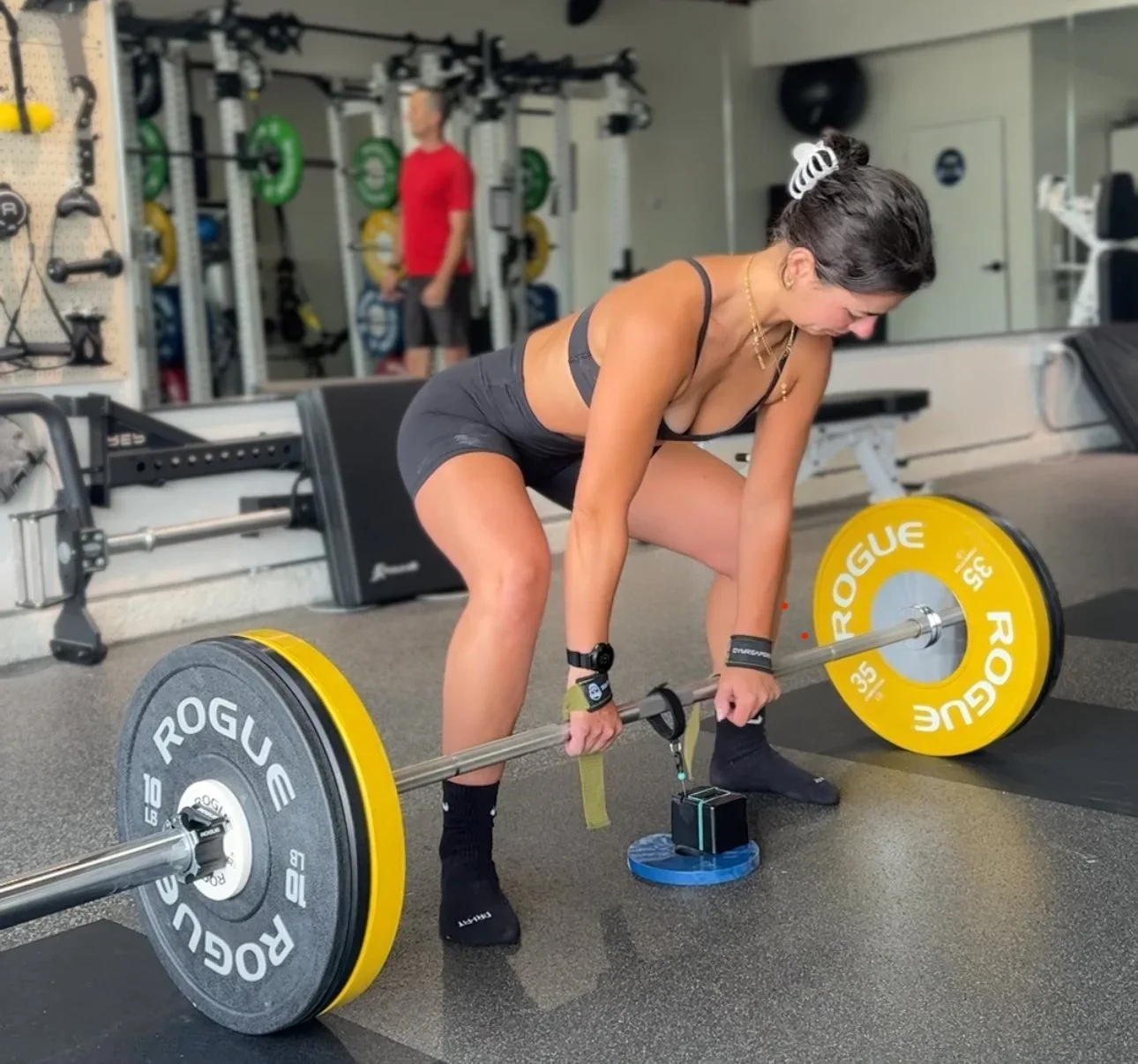
People train for various reasons—some want to achieve peak physical performance, while others focus on staying active and healthy as they age. I always found it interesting how both performance-focused and longevity-focused training start with the same foundation (building strength through core exercises like squats, deadlifts, presses, and rows) but eventually will have to diverge.
While I’m more performance-focused now, I know that at some point, I’ll likely shift toward training for longevity, maybe once I can’t squat 4 plates anymore. As an athlete’s training evolves, they’ll find that how they manage volume, intensity, and recovery will also change, based on whether they’re focused on pushing physical limits or protecting their health over time. This blog post helps to explain why that diverge happens, as well as explain the opportunity cost associated with either choice
Shared Foundations
Both performance and longevity training begin with strength-building exercises that involve multiple muscle groups, like squats, deadlifts, and presses. These compound movements are highly effective for building a strength base that benefits both athletic performance and daily activities (like carrying groceries or climbing stairs). Research supports that these exercises increase muscle mass, bone density, and functional mobility, all crucial for long-term health and athletic goals alike (Westcott, 2012; Phillips, 2010).
Both training styles use the principle of progressive overload, which means gradually increasing the weight to continue gaining strength. This approach helps prevent plateaus, whether the goal is athletic performance or maintaining strength as you age. Progressive overload also has significant benefits for longevity, as studies show it can reduce fall risk and maintain physical independence in older adults (Liu, 2009).
Where the Path Diverges
As training goals become more specific, the paths of performance and longevity training start to look different. In terms of volume, intensity, and recovery, performance training for athletes often involves higher volumes and intensities. Lifting heavier weights or incorporating high-intensity exercises helps athletes achieve peak physical abilities and strength gains. However, without careful management of recovery, this approach can elevate the risk of injury, as noted in studies on high-intensity training (Figueiredo, 2018).
Longevity training, on the other hand, takes a more moderate approach. By maintaining sustainable levels of intensity, longevity-focused workouts aim to deliver steady gains while minimizing the risk of overload. This approach not only helps preserve joint health but also reduces the likelihood of injury, which is especially beneficial as we age (Pollock, 2018).
When it comes to joint and connective tissue health, the distinction between these two approaches is even more apparent. Performance training often includes heavy lifting or repetitive high-stress movements that, while essential for athletes seeking maximum strength or power, can strain joints and increase the likelihood of long-term joint issues (Malliaras, 2013). In contrast, longevity training emphasizes joint integrity, incorporating exercises that support mobility and stability. This focus on joint resilience helps protect connective tissues, making longevity training a better choice for those looking to safeguard their joints over time (Naclerio, 2013).
Analysis
The science behind the divergence between performance-focused and longevity-focused training is rooted in how our bodies respond to different levels of stress and recovery demands. Performance training uses high volume and intensity to stimulate maximal strength and power gains. This approach leverages a principle known as supercompensation, where muscles, tendons, and the nervous system adapt to higher loads and intensity. While this leads to impressive gains, it also increases physical strain, which can result in overuse injuries if the body isn’t given enough time to recover. Studies show that high-intensity training triggers acute physiological stress, which can produce significant performance benefits but also elevate recovery needs (Figueiredo, 2018).
In contrast, longevity-focused training takes advantage of moderate, consistent stress, designed to maintain strength and joint health over time. By focusing on moderate intensity, longevity training keeps wear and tear at a manageable level. For example, controlled, lower-intensity resistance training promotes joint health by enhancing circulation of synovial fluid, which nourishes joint cartilage and keeps it resilient (Naclerio, 2013). Additionally, studies show that moderate resistance training effectively supports cardiovascular health, metabolic function, and muscle maintenance without placing the body under extreme recovery demands (Pollock, 2018). This approach is particularly useful as we age, as it allows for sustained muscle and joint health, enhancing quality of life.
Joint health is a key focus in longevity training. Heavy lifting and high-impact movements common in performance training can accelerate joint wear if used exclusively over time, potentially leading to degenerative conditions. Instead, longevity training often includes joint-friendly movements and moderate-load exercises that maintain joint resilience and function. Research shows that repetitive, high-intensity stress on joints can increase the risk of osteoarthritis, while controlled, moderate exercises can help maintain joint integrity, which is crucial for long-term mobility and quality of life (Malliaras, 2013).
Practical Takeaways
If you're new to fitness or just want a strong foundation, start with the basics—squats, deadlifts, presses, and rows. These core exercises build the strength and functional mobility needed for both performance and long-term health. Once you’re comfortable, think about what matters most to you. If you want to push your limits, chase personal records, or train like an athlete, be prepared to work at higher volumes and intensities, which can get results faster but also requires more recovery. Just remember that if you don’t manage recovery well, it could lead to setbacks.
For those of you who are more focused on staying strong and active for life, you can go for moderate weights and steady progress, which keeps the strain on your body in check. This way, you’re less likely to deal with the wear and tear that can come with heavier, high-intensity workouts. Add in exercises that help your joints stay mobile and stable—they’ll keep you feeling agile and reduce injury risk as you age.
Ultimately, both approaches are valuable. You don’t have to choose one over the other immediately; try experimenting to see what feels best and aligns with your goals. For some people, a blend of the two styles works well—periods of high intensity when you’re feeling strong and a bit of recovery-focused, moderate training when you need to give your body a break. It’s all about finding what makes you feel good, helps you progress, and supports your health, both now and in the future.
CONCLUSION
Both performance and longevity training share a foundational emphasis on strength and functional movement, but they evolve differently based on specific goals. Performance-focused training pushes boundaries, prioritizing high intensity and volume to achieve peak physical output, which can be rewarding but requires careful attention to recovery to prevent injuries. Longevity-focused training, however, emphasizes sustainable strength, joint health, and a more moderate intensity that supports long-term wellness and minimizes wear and tear. Choosing the right path depends on your personal goals—whether you're aiming to reach new performance milestones or maintain health and mobility as you age. Ultimately, both approaches offer valuable benefits, and finding the right balance between them can help you achieve a well-rounded and fulfilling fitness journey.
Sources:
Westcott, W. L. (2012). "Resistance training is medicine: Effects of strength training on health." Sports Medicine, 42(9), 785–805. PMID: 22692126.
Phillips, S. M. (2010). "The role of exercise in the management of sarcopenia." Journal of the American Medical Directors Association, 11(6), 295–300. PMID: 20627179.
Liu, C. J., & Latham, N. K. (2009). "Progressive resistance strength training for improving physical function in older adults." Cochrane Database of Systematic Reviews, 2009(3). PMID: 19588334.
Figueiredo, V. C., et al. (2018). "High-intensity resistance training and its effects on recovery and performance." Journal of Strength and Conditioning Research, 32(4), 1172–1181. PMID: 30001231.
Pollock, M. L., et al. (2018). "Moderate-intensity resistance training and health benefits." Frontiers in Physiology, 9, 1128. PMID: 30233560.
Malliaras, P., et al. (2013). "Physical activity and skeletal health." Clinical Biomechanics, 28(1), 50–58. PMID: 23415340.
Naclerio, F., et al. (2013). "Joint integrity and connective tissue adaptation." American Journal of Physical Medicine & Rehabilitation, 92(3), 210–217. PMID: 23492912.
DISCLAIMER
The information in this article is for educational and informational purposes only and is not intended as medical advice, diagnosis, or treatment. Always consult with a qualified healthcare provider or medical professional before beginning any new exercise, rehabilitation, or health program, especially if you have existing injuries or medical conditions. The assessments and training strategies discussed are general in nature and may not be appropriate for every individual. At Verro, we strive to provide personalized guidance based on each client’s unique needs and circumstances.