Yes…Women can get stronger without looking bulky: 6 Strategies to get strong and stay lean
Key Points
Strength training is essential for women's health, functionality, and longevity.
Strength, not muscle mass, is a more accurate predictor of longevity, empowering women to train without fear of excessive muscle growth.
Mobility, which combines flexibility and strength, plays a vital role in preserving independence and preventing injury as women age.
Practical training approaches can emphasize strength and mobility while minimizing hypertrophy through specific adjustments to intensity, volume, and exercise selection.
Introduction:
I realize that I’m biased, and also realize that I’m a man who spent most of his 20’s trying to grow as much muscle as possible, that said, strength training is probably the best form of exercise for women. It improves bone density, enhances mobility, and often leads to greater levels of confidence. But perhaps most importantly, it is one of the best predictors of longevity, better even than muscle mass. This makes it a cornerstone of health and functionality as we age. Yet still, many women hesitate to embrace strength training, worried it might lead to a physique they don’t want—one that appears overly muscular or bulky.
I’m not going to say that the fear isn’t unfounded, even though no one to my knowledge has ever accidentally turned into She-Hulk from touching dumbbells 1-2 times a week. Resistance training can lead to both strength gains and increases in muscle size. However, it’s crucial to understand that strength and muscle mass are not the same thing. Strength refers to the ability of muscles to produce force against resistance, such as lifting a heavy object or holding a static position. It’s about functionality and how well your muscles can perform tasks. Muscle mass, by contrast, is the physical size of your muscles, which hypertrophy training aims to increase. Hypertrophy isn’t concerned with how much weight a muscle can lift; its sole focus is growth.
While strength and hypertrophy are related—since building muscle can contribute to increased strength—they are distinct adaptations. The good news? Smarter training programs allow you to prioritize one over the other. Women who want to build strength and mobility without significantly increasing muscle size can do so by tailoring their approach. By focusing on specific training variables like intensity, volume, and exercise selection, it’s possible to maximize strength gains while minimizing hypertrophy.
I often hear personal trainers and fitness influencers dismiss concerns about "bulking up" for women. I find this response pretty unhelpful. Telling women they “can’t get bulky” because of hormonal differences might be partially true, but it doesn’t address their real concerns or show respect for their goals. A good trainer listens, educates, and provides strategies that align with each client’s unique needs and preferences, rather than dismissing them outright. This blog aims to provide a practical guide for women looking to gain strength, yet not add too much muscle mass in the process.
This guide will explore how women can train effectively to achieve the health and longevity benefits of strength training while staying aligned with their aesthetic preferences. By focusing on smarter training programs and understanding the science behind strength and hypertrophy, women can feel empowered to design workouts that deliver results on their terms. With the right strategy, you can harness the power of resistance training to feel stronger, healthier, and more confident—without compromise.
Why Strength and Mobility Matter for Longevity
Strength is one of the best predictors of longevity, better than muscle mass. A longitudinal study published in The BMJ demonstrated that strength correlates with reduced all-cause mortality (1). Similarly, Fragala et al. (2019) found that strength was inversely related to chronic disease risk (2). For some women, this highlights an exciting opportunity: they can train for strength without focusing on significant muscle size, ensuring both health and aesthetic goals align.
Mobility is another critical component of longevity, combining flexibility (the ability of muscles to stretch) and strength (the ability to control movement through a range of motion). While flexibility alone may allow for greater motion, it doesn’t ensure that motion is functional or safe. Mobility, however, empowers women to move freely and confidently while reducing the risk of injury. For instance, a study in Sports Health by Behm et al. (2016) highlights how strength and mobility training improve functional movement and reduce fall risks in aging populations (3).
Practical Training Recommendations
So strength training is important, but how can we get all those sweet sweet strength gains without adding too much muscle? The following section provides practical training tips to help women build strength and mobility while minimizing muscle growth. These recommendations are based on scientific research and proven strategies to ensure workouts are both effective and aligned with individual goals. By following these guidelines, women can train with confidence and achieve their desired results.
Limit RPE (Rate of Perceived Exertion)
Training with sets that are at an RPE of 6–8 ensures that workouts are challenging enough to build strength without pushing too close to failure, which is associated with maximal hypertrophy responses. For clarification, if an RPE of 10 means training to failure, an RPE of 6 means the set was easy, you could do 5-6 more reps. An RPE of 8 means the set was moderately hard, you could do 2-3 more reps.Schoenfeld et al. (2016) found that training close to failure increases muscle size but isn’t necessary for improving strength (4). By staying within this moderate intensity range, women can avoid excessive muscle growth while continuing to see strength improvements.
Avoid High Rep Ranges
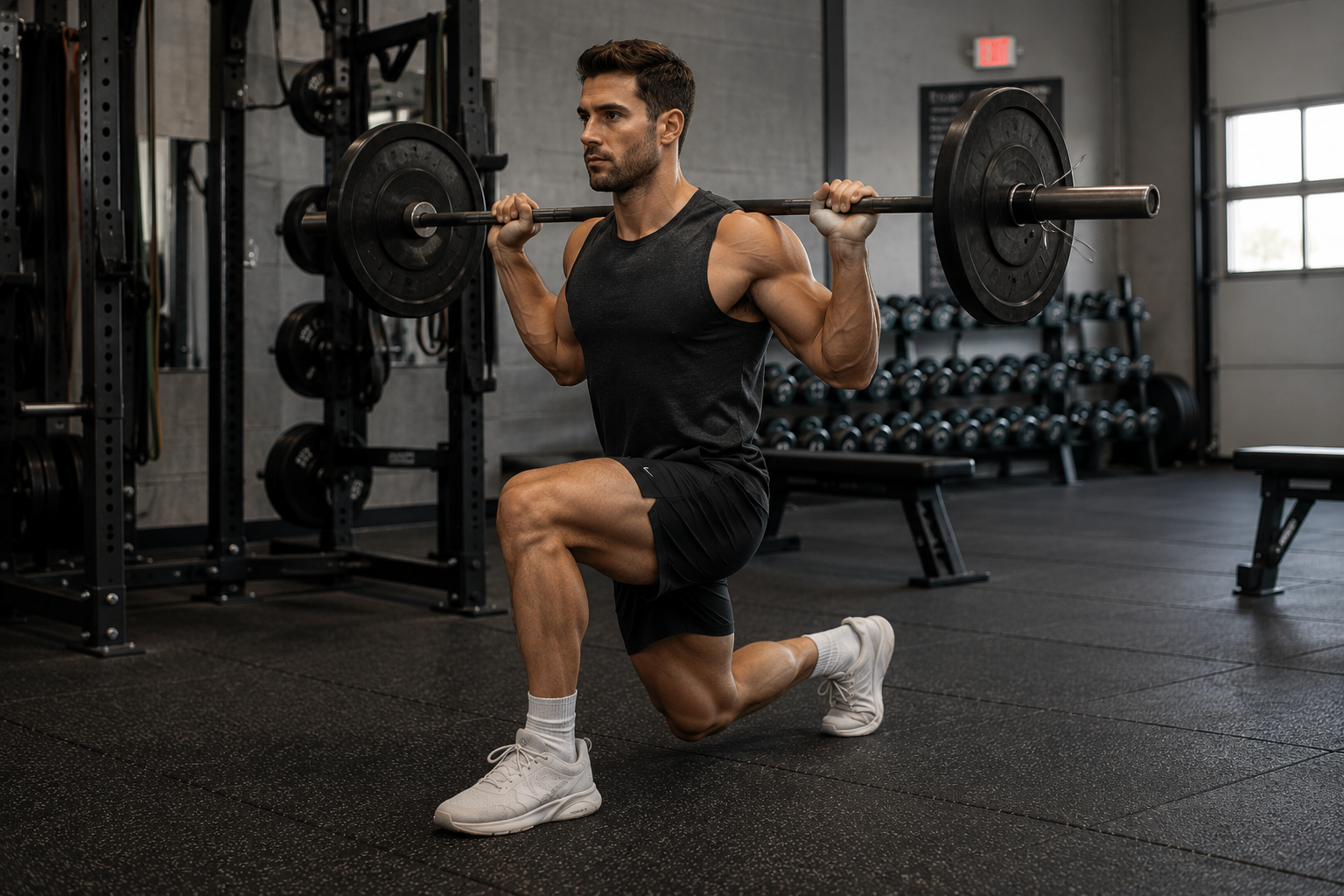
Higher reps (e.g., 10–15) are often linked to hypertrophy because they increase the total volume of tension on muscles. Lower reps (1–6) with heavier weights prioritize neurological adaptations for strength over size. Studies like Ogborn & Schoenfeld (2014) support the use of low-rep training to develop strength without maximizing muscle hypertrophy (5). Women aiming to avoid bulkiness can confidently lift heavier weights in lower rep ranges to build strength efficiently.Incorporate Tempo Work
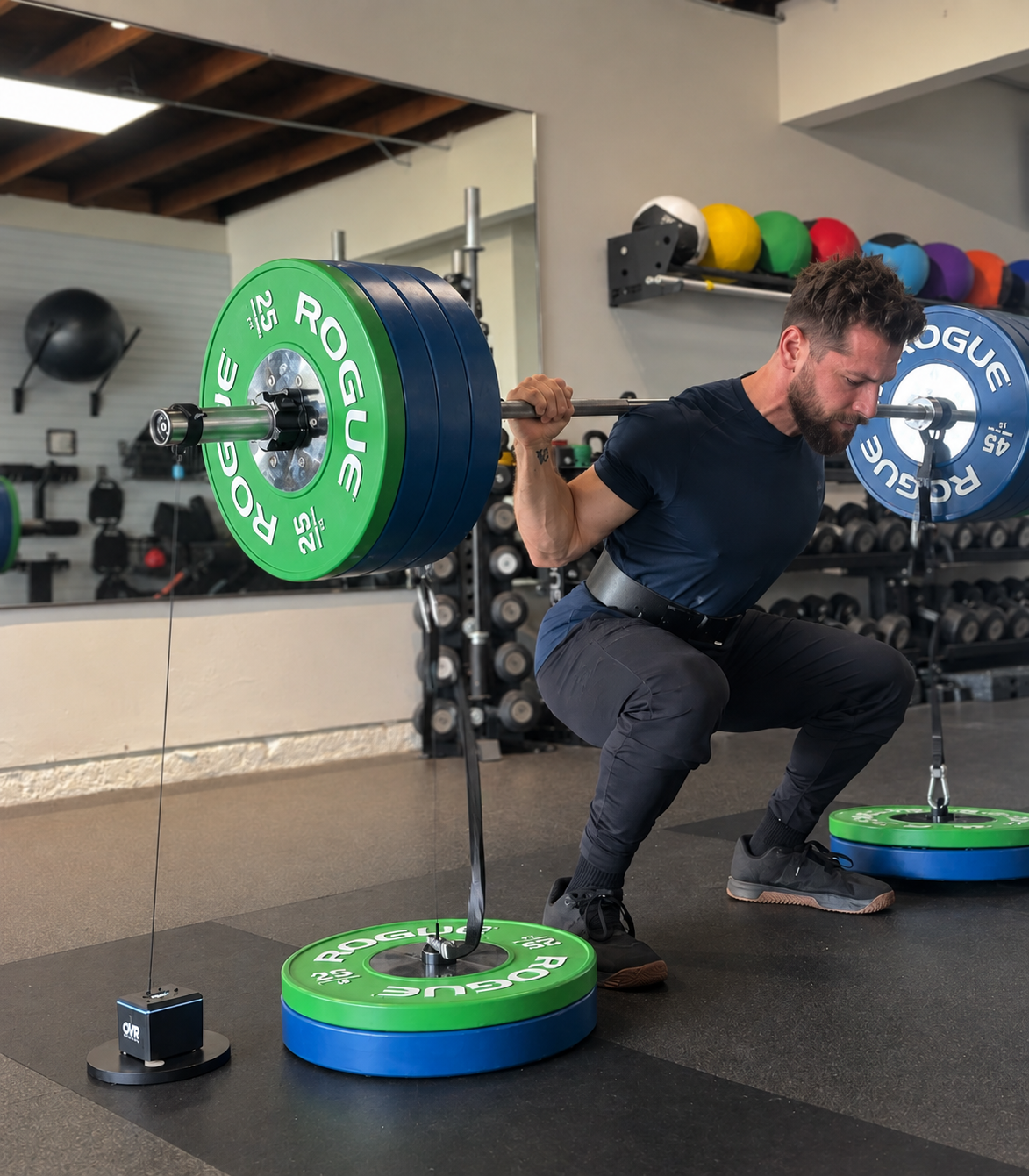
Tempo training, such as controlled eccentrics (slowly lowering the weight) or pausing during lifts, builds strength while limiting volume, helping to minimize hypertrophy. This approach has been supported by research in The Journal of Strength and Conditioning Research conducted by Wilk et al. (2018). This study showed that controlled eccentrics enhance strength adaptations and improve muscle control without necessarily increasing size (6). For example, slowing down a squat’s descent or pausing at the bottom strengthens the movement pattern and improves stability.Focus on Compound Movements
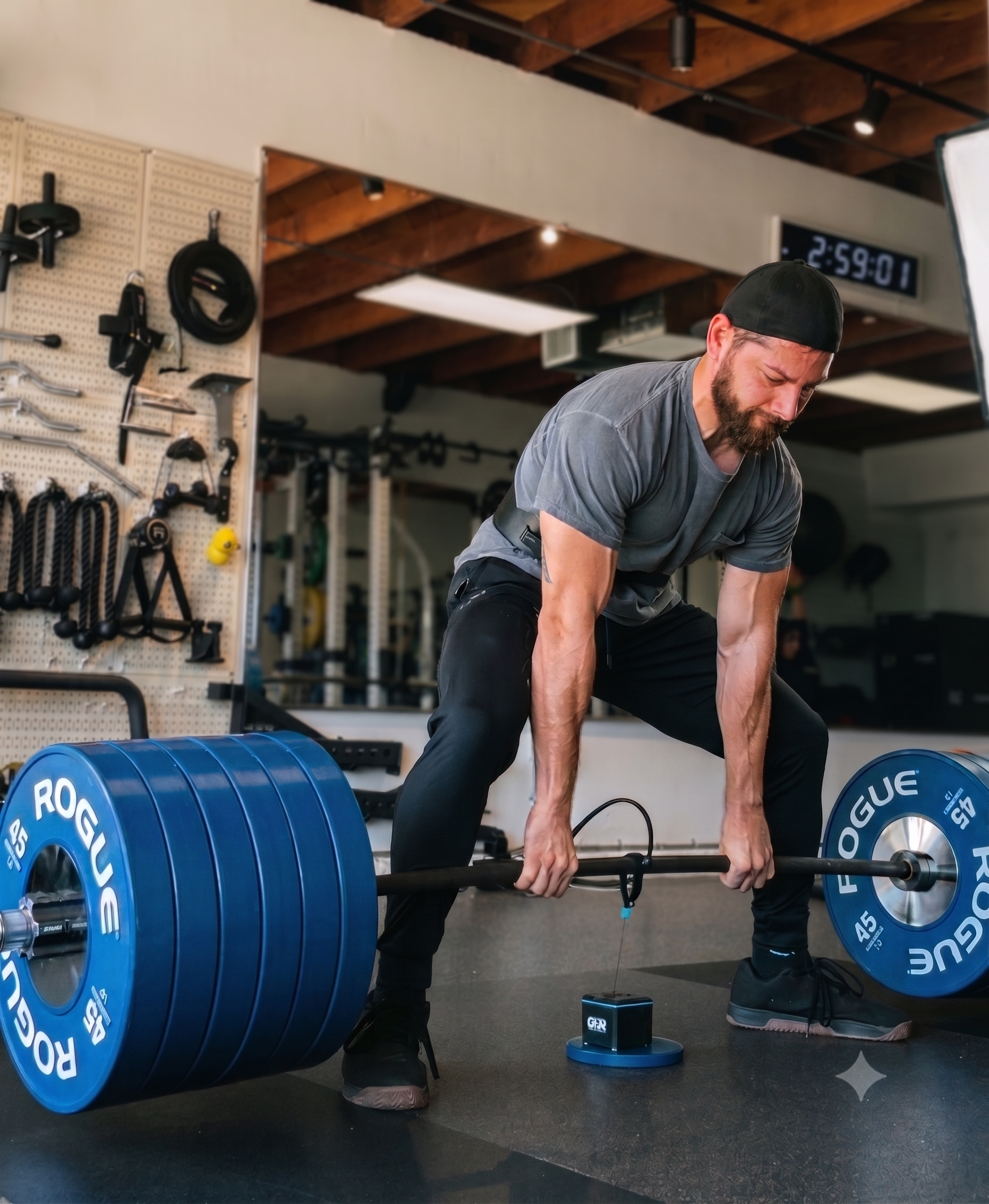
Compound movements like squats, deadlifts, and rows work multiple muscle groups simultaneously, improving functional strength and mobility. Unlike isolation exercises, which target specific muscles, compound lifts build strength without “overdosing” any one muscle, reducing the likelihood of hypertrophy. A study by Keogh et al. (2009) highlights the effectiveness of compound movements in improving overall strength and movement efficiency, especially in women (7).Manage Weekly Volume
Volume plays a significant role in determining hypertrophy. Schoenfeld et al. (2017) found that hypertrophy responses increase with higher training volumes, peaking at around 20 sets per week per muscle group. Research indicates that strength gains can be achieved with relatively low training volumes (8). A meta-analysis by Ralston et al. (2017) found that performing approximately 6–12 sets per muscle group per week is effective for increasing strength in both trained and untrained individuals (9). Similarly, the previously mentioned Schoenfeld study also concluded that low-volume resistance training can lead to significant strength improvements, especially in novice lifters (8).These findings suggest that strength gains can be maximized with as few as 8–10 sets per muscle group per week, making it feasible to achieve strength goals without extensive training volumes. Women concerned about bulkiness can cap their volume at this lower range to focus on strength adaptations while limiting muscle growth.
Train with Appropriate Frequency
Strength training doesn’t require spending hours in the gym every day. In fact, training just 1–2 days per week for 40-60 min is often enough for beginners or those focused on maintaining balance with other priorities. Research by Gentil et al. (2017) shows that even low-frequency resistance training can produce meaningful strength gains, especially in those new to strength training. Starting with 1–2 days per week allows for sufficient recovery between sessions, reducing the risk of overtraining and burnout while still promoting consistent progress. For those with more experience, additional training days can be gradually introduced, but there’s no need to overcommit to see results.
Takeaways
Strength training is essential for improving women’s health, longevity, and functionality. By prioritizing strength over hypertrophy, women can reap the benefits of increased bone density, better mobility, and reduced injury risk while maintaining the physique they desire. Strategies like training at moderate RPEs, focusing on lower reps with heavier weights, and incorporating tempo work allow women to build strength without pushing muscle growth to the extremes. Emphasizing compound movements over isolation exercises ensures functional fitness improvements that translate into daily life, while limiting weekly training volume further minimizes hypertrophy potential.
Mobility, a combination of flexibility and strength, is another cornerstone of longevity. It enables women to move safely and confidently through their full range of motion, reducing the likelihood of injuries and preserving independence as they age. Strength training complements mobility by reinforcing functional movement patterns and building stability in the joints. Together, strength and mobility provide the foundation for a long, active, and fulfilling life. With the right approach, women can train effectively for strength, prioritize their health, and achieve their goals without compromise.
Conclusion
Strength training is a cornerstone of women’s health, offering immense benefits. With the right approach, women can train for strength and longevity without worrying about unwanted hypertrophy. By tailoring intensity, reps, tempo, exercise selection, and volume, they can create a sustainable routine that supports both their health and aesthetic goals.
The science is clear: strength is a key to independence, resilience, and vitality. With a thoughtful, individualized plan, every woman can embrace the benefits of resistance training on her own terms.
Sources:
Bohannon, R. W. (2008). Grip strength: An indispensable biomarker for older adults. Clinical Interventions in Aging, 3(4), 439–440.
Fragala, M. S., et al. (2019). Resistance training for older adults: Position statement from the National Strength and Conditioning Association. Journal of Strength and Conditioning Research, 33(8), 2019–2052.
Behm, D. G., et al. (2016). The effects of strength training on functional fitness, mobility, and balance in older women. Sports Health, 8(4), 353–359.
Schoenfeld, B. J., et al. (2016). Strength and hypertrophy adaptations between low- vs. high-load resistance training: A meta-analysis. The Journal of Strength and Conditioning Research, 30(12), 3508–3523.
Ogborn, D., & Schoenfeld, B. J. (2014). The role of muscle damage in hypertrophy: A reappraisal. European Journal of Applied Physiology, 114(1), 1–10.
Wilk, M., et al. (2018). The influence of eccentric cadence on power and velocity in resistance training. The Journal of Strength and Conditioning Research, 32(6), 1566–1574.
Keogh, J. W., et al. (2009). Effects of different resistance training exercise modes on motor performance and functional ability in the elderly. Sports Medicine, 39(11), 887–907.
Schoenfeld, B. J., et al. (2017). Dose-response relationship between weekly resistance training volume and increases in muscle mass: A meta-analysis. The Journal of Sports Medicine and Physical Fitness, 57(12), 1628–1635.
Ralston, G.W., et al. (2018). Weekly Training Frequency Effects on Strength Gain: A Meta-Analysis. Sports Med - Open 4, 36
Gentil, P., et al. (2017). Resistance training frequency reduces muscle hypertrophy in healthy adults: A meta-analysis. Sports Medicine, 47(3), 537–541.
DISCLAIMER
The information in this article is for educational and informational purposes only and is not intended as medical advice, diagnosis, or treatment. Always consult with a qualified healthcare provider or medical professional before beginning any new exercise, rehabilitation, or health program, especially if you have existing injuries or medical conditions. The assessments and training strategies discussed are general in nature and may not be appropriate for every individual. At Verro, we strive to provide personalized guidance based on each client’s unique needs and circumstances.