Is Your Strong Side Doing All the Work? Unilateral Isometric Testing
Key Points
Unilateral strength imbalances are common and often hidden. Testing each side independently helps uncover asymmetries that bilateral lifts can mask.
Large asymmetries (>10–15%) are linked to higher injury risk. Especially in athletes, notable strength differences between sides have been shown to increase the likelihood of soft tissue injuries.
Isometric testing is safe, reliable, and informative. It allows maximal force assessment in a controlled environment without the risks of dynamic one-rep max testing.
Muscle size ≠ strength. Equal muscle mass on both sides doesn’t guarantee equal strength. Neural activation and movement quality also matter.
Mobility and range of motion influence strength output. Stiff or unstable joints can limit strength expression and contribute to asymmetries.
Introduction: Why Test Unilateral Strength?
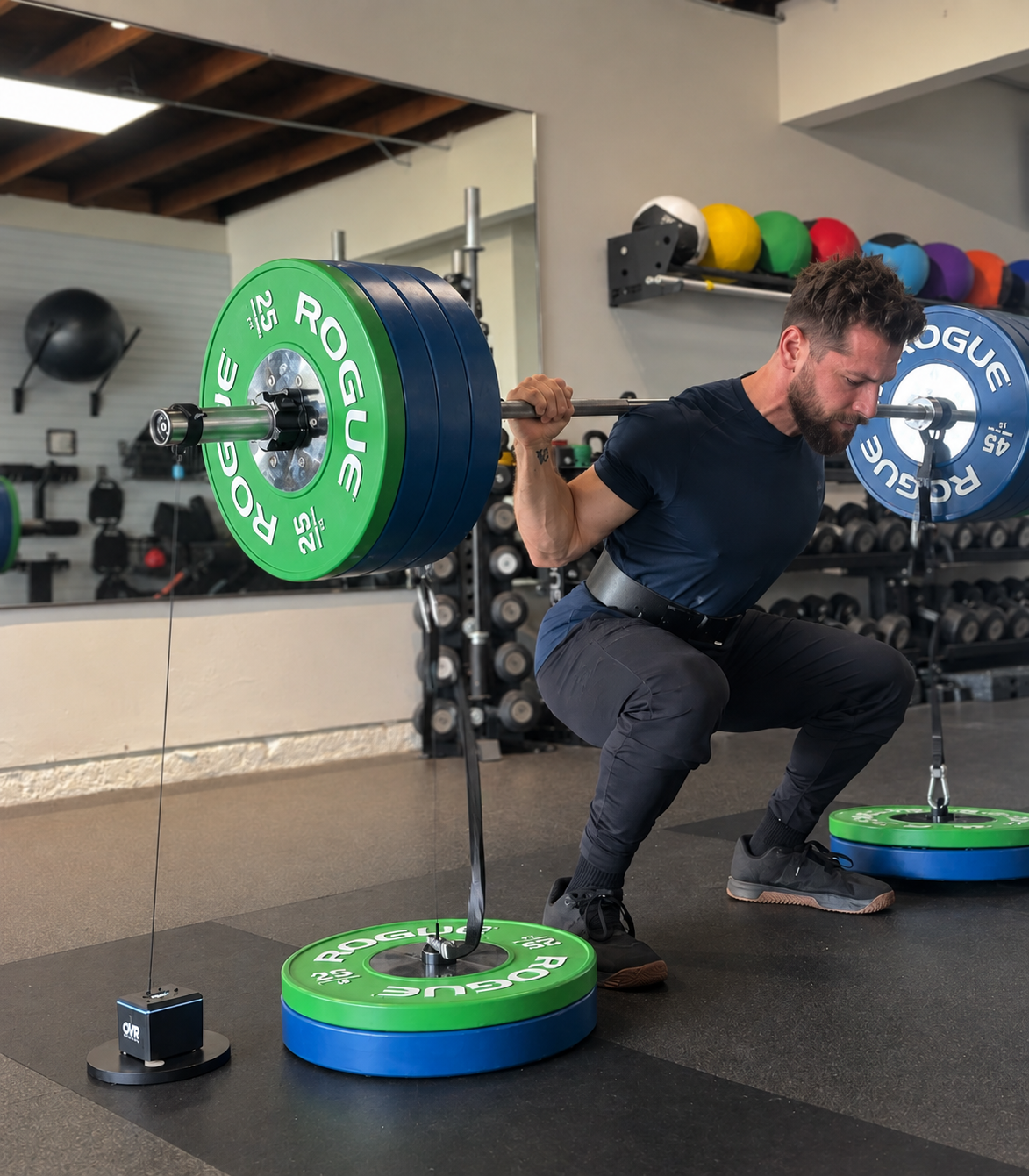
Almost every athlete or gym-goer has a “strong side.” You might favor one leg when jumping or feel one arm working harder during a bench press. These strength asymmetries are natural up to a point, but can significant if they grow too large. Traditional exercises using both limbs (like barbell squats or presses) can hide these imbalances. Your dominant side can quietly compensate for the weaker side without you noticing. Over time, this masking can allow hidden asymmetries to widen. Which is why we often to unilateral isometric testing at Verro to shine a light on these blind spots. By testing one side at a time in a static (isometric) hold across fundamental movement patterns, we can pinpoint differences in force output that would otherwise remain invisible during bilateral exercises. This is a valuable tool for coaches and clients who want to train smarter and avoid the pitfalls of significant imbalances.
The Six Fundamental Movement Patterns
Our focus is on six foundational movement patterns that cover all the major muscles of the body. Each pattern is tested in a single-limb isometric format to isolate one side’s strength:
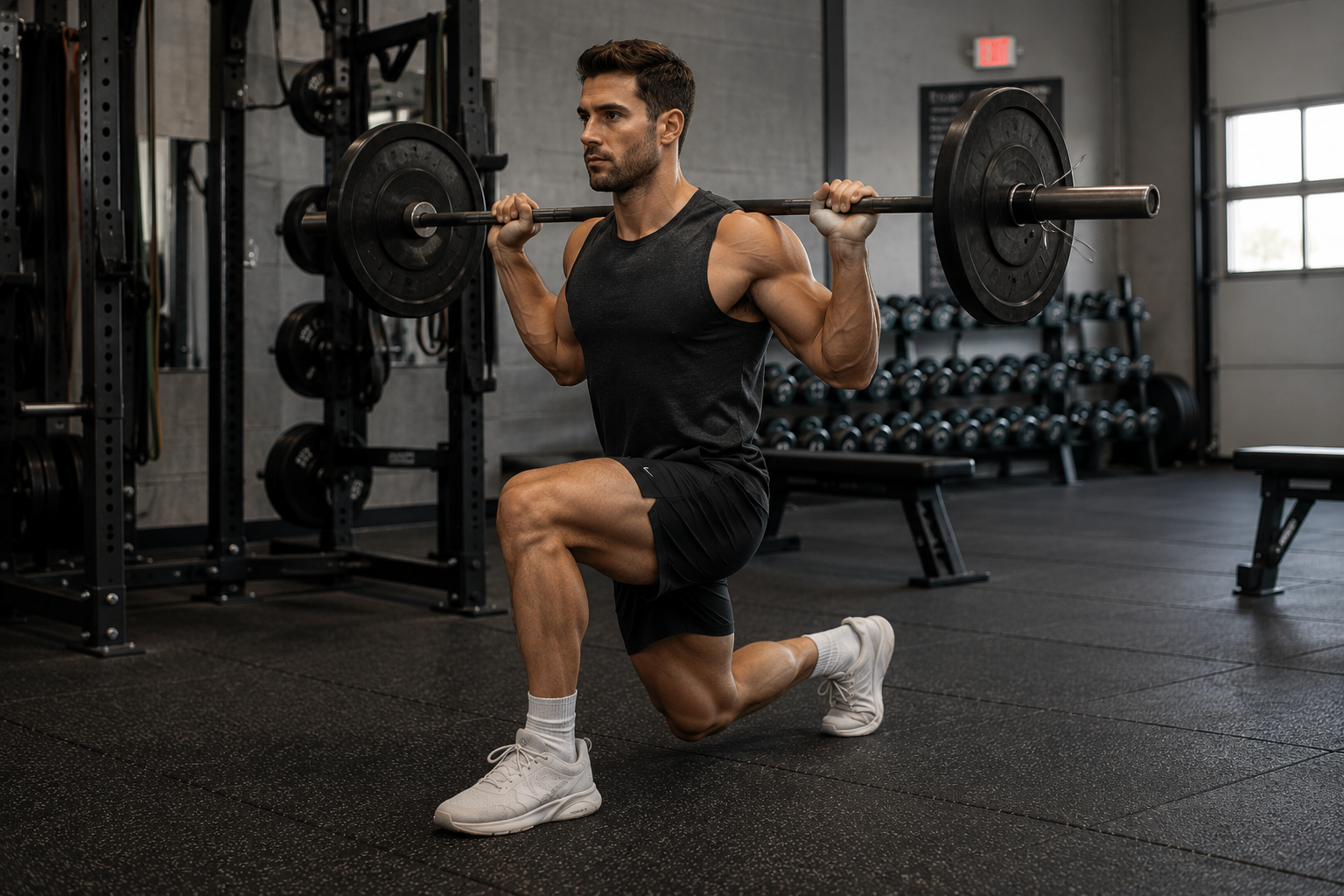
Bulgarian Split Squat (Lower Body Push): A static lunge/squat position to test one leg’s pushing force.
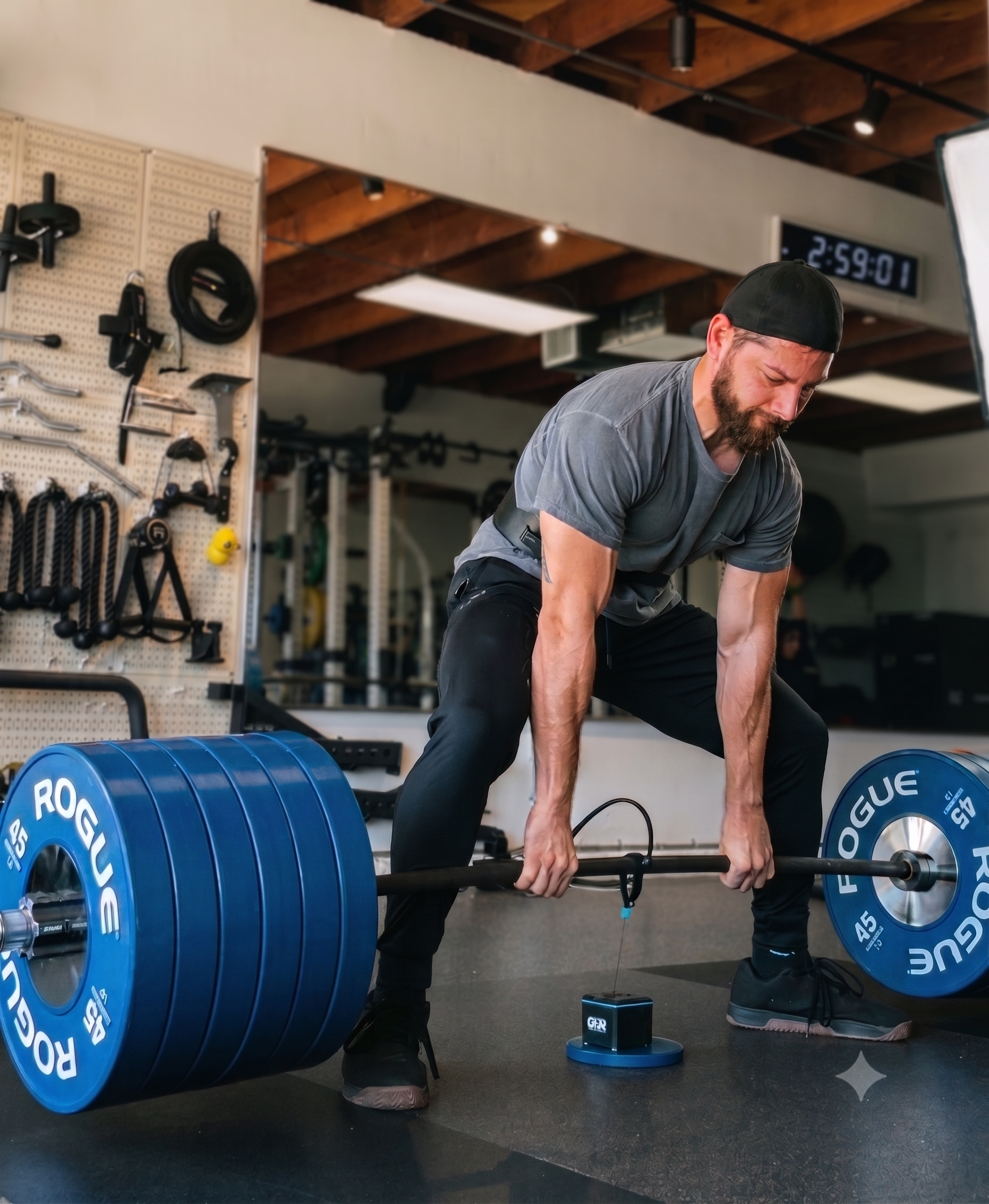
Kickstand Deadlift (Lower Body Pull): A staggered-stance deadlift to assess one side’s hip hinge strength.
Single-Arm Row (Horizontal Pull): An isometric one-arm row to measure rowing strength of each arm/back.
Single-Arm Chest Press (Horizontal Push): A one-arm chest press hold to gauge unilateral pressing strength in the chest and shoulder.
Single-Arm Lat Pulldown (Vertical Pull): An isometric one-arm pulldown to test each side of the lats/upper back in a vertical pulling motion.
Single-Arm Overhead Press (Vertical Push): A one-arm overhead press hold to measure shoulder pressing strength on each side.
By testing these six patterns, we get a comprehensive strength profile. Each pattern represents a category of human movement (squat, hinge, push, pull – both horizontal and vertical) that we rely on in both daily life and sports. Testing them isometrically on our Voltra’s allows maximal force measurement in a safe, controlled manner. Unlike a one-rep max lift, there’s no risk of dropping a weight or losing form at high speed. In fact, isometric tests like the mid-thigh pull are well-regarded for being safe, time-efficient, and strongly correlated with dynamic performance. In other words, a unilateral isometric test gives us a valid snapshot of each limb’s strength potential without the confounding factors of momentum or technique breakdown.
Hidden Asymmetries and Why They Matter
Unilateral isometric tests often reveal strength differences that surprise people. It’s common to find, for example, that one leg can produce more force in a split squat hold, even if you never noticed a difference during barbell squats. Why does this matter? Significant asymmetries (where one side is markedly weaker) can lead to compensatory movement patterns: your body will shift load to the stronger side or alter technique to get the job done. Over time, these compensations can place extra stress on joints, ligaments, and tendons on the overused side and under-challenge the weaker side. As one sports medicine review put it, when one limb is much stronger it may “sustain excessive stress” because you rely on it for most tasks, while the weaker limb may not tolerate even average loads (Guan, 2022). This unequal force absorption and reduced stability can increase injury risk if left unaddressed.
Injury Risk and Longevity
Nobody is perfectly symmetrical, and small differences are usually not a problem. However, when a strength imbalance grows beyond a certain threshold, research suggests injury risk can rise significantly. For example, a classic study on female collegiate athletes found those with a >15% strength imbalance between right vs. left hamstrings had far more lower-body injuries during the season (Knapik et al., 1991). In that study, having one hamstring 15% stronger than the other (and even a 15% difference in hip flexibility) was associated with a higher incidence of leg injuries. More recent research in elite male volleyball players showed that every 1% increase in side-to-side difference in knee extensor strength raised the risk of a non-contact leg injury by about 1.6-fold (Wang et al., 2025). In plain terms, an athlete with a 10% strength asymmetry in quads could be much more likely to get hurt than one with a 2% asymmetry. It’s not black-and-white, some athletes tolerate asymmetry better than others, but the trend is clear enough that many experts consider 10–15% a critical zone where imbalance may become problematic (Guan, 2022).
Above ~15%, you’re potentially in a high-risk territory for injuries according to multiple studies and reviews. (Guan, 2022). The reason is intuitive: if one leg is doing much more work on a jump landing or one arm is absorbing more force in a fall, those structures are under greater strain, while the weaker side might fail to stabilize you when you need it.
Importantly, addressing asymmetries is not just about injury prevention today, but also about long-term longevity in fitness. I don’t always like using this analogy, but in this case it works: your body like a car, if one tire is under-inflated and the other over-inflated, you can drive, but over time you’ll get uneven wear and tear. By identifying a big imbalance early (say, your left leg can only produce 80% of the force of your right), we can intervene with targeted training before it manifests as chronic knee pain or a sidelining injury. Keeping your body “evenly tuned” helps you stay active and pain-free doing what you love for years to come. As one physical therapy source notes, if one joint or side has limited function, the body will compensate by stressing other areas, potentially leading to pain or injury down the line (True Sports Physical Therapy 2023).
Performance Impact
Beyond injury concerns, asymmetries can also silently cap your athletic performance. If one side is lagging, you’re not using your full potential. A vivid example comes from jump performance: In one study, collegiate athletes with power asymmetries greater than ~10% showed significantly lower jump heights on the order of a 3+ inch drop in vertical jump compared to more symmetrical athletes (Bell et al., 2014). In that study, only a small fraction of athletes had such large imbalances, but those who did tended to jump several inches lower, a clinically relevant impairment. The researchers concluded that reducing a large asymmetry would “have a positive impact on athletic performance” in explosive tasks.
Even in movements like sprinting or cutting, unequal strength can hurt efficiency. Imagine trying to push a car where one leg can only give half the force of the other, you’ll veer or lose power. In sports, athletes with pronounced asymmetry have been found to have slower change-of-direction times and lower jump scores than their peers. Your weaker side becomes a rate-limiter for output: during a bilateral lift or a sprint start, the body can only push as hard as the weakest link allows. Moreover, your nervous system will “down-regulate” force if pushing harder with the strong side would throw you off balance. The result is a less explosive, less efficient performance. By testing and then addressing these differences, we can unlock extra performance. Coaches often find that bringing up a weak limb improves bilateral lift totals and athletic metrics. For example, evening out leg power can improve your squat and your vertical jump at the same time. Essentially, you’re only as strong as your weakest side, and unilateral testing identifies where that weakness lies so we can fortify it.
More Than Muscle Size: Strength vs. Hypertrophy
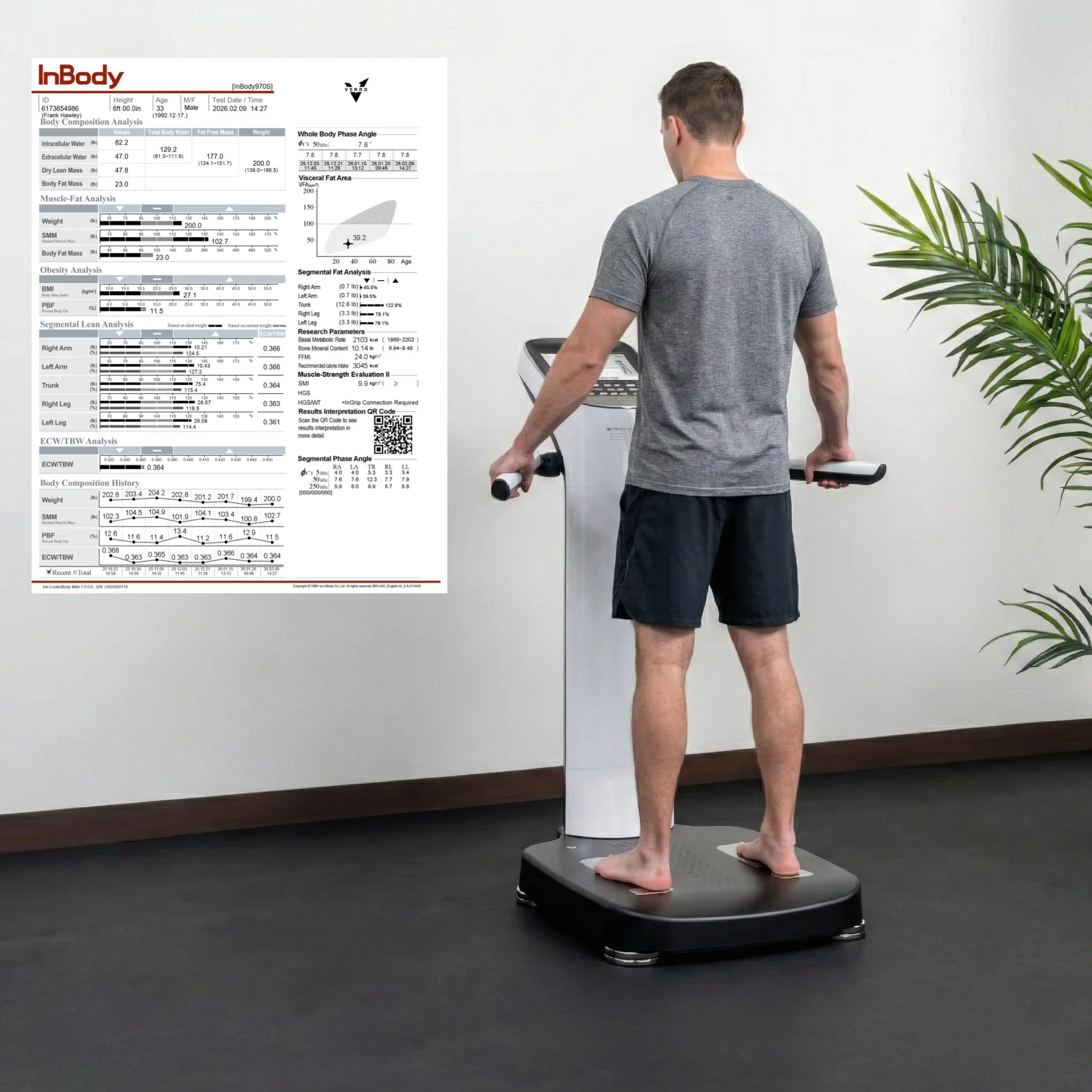
An important insight from unilateral strength testing is that muscle size isn’t the whole story. You might think that if both your legs look the same and have equal lean muscle (perhaps even confirmed by an InBody or DEXA body composition scan), they should be equally strong. But that’s not always true. Strength is a product of both muscle quantity and muscle quality (neuromuscular coordination, fiber type, tendon stiffness, etc.). Research shows that muscle cross-sectional area explains only about 50–60% of the variance in strength between people (Trezise, 2019). The rest comes from neural factors and muscle architecture. And when it comes to changes over time, the correlation between gaining size and gaining strength can be surprisingly weak (Reggiani, 2020). For example, in one study some individuals increased leg strength by 21% with almost no change in muscle size, while others grew bigger muscles with minimal strength gains (Ahtiainen et al., 2016; Erskine et al., 2010, as cited in Narici et al., 2020). In short, bigger doesn’t automatically mean stronger (and vice versa).
What does this mean for asymmetry? It means you could have symmetrical thigh muscle measurements, but still have a unilateral strength deficit. Perhaps your left quad is the same size as your right, yet an isometric test shows it produces less force. This could be due to side-to-side differences in neural activation, technique, or injury history. As one review pointed out, strength gains are highly neural in the early phases of training your brain learns to recruit muscles more efficiently (Reggiani, 2020). If one side has been undertrained or inhibited (maybe from a past injury or dominant-side favoritism), it might not tap into its full strength potential despite having the muscle mass available.
Unilateral isometric testing captures these nuances. It looks at functional strength, not just form. It reminds us that symmetry in lean mass does not guarantee symmetry in force output. For clients who proudly track their body composition, this is eye-opening. You might have a perfectly balanced physique in the mirror or on a DEXA scan, yet still discover a 10% strength gap between sides. By identifying that, we can then train your neuromuscular system to close the gap, rather than assuming equal muscle means equal strength.
Flexibility and Range of Motion: The Overlooked Factors
Another factor that can affect unilateral strength is flexibility or range of motion (ROM). If one side has a tighter joint or muscle group, it can’t express strength through the full range, which might show up as reduced force in certain positions. For instance, if your right hip is much stiffer than your left, a split squat test on that side might register lower force simply because you can’t get into as strong a position. Similarly, a restriction in shoulder mobility on one side could diminish your one-arm overhead press strength, as stabilizing the weight is harder and your brain may limit force to avoid impingement.
These flexibility differences often tie into asymmetries and compensation patterns, which is why we pair our Verro isometric assessment’s with a mobility screening. We know from injury research that imbalances in flexibility can parallel strength imbalances in causing issues. Knapik et al. (1991) noted strength, but also ROM asymmetry can have higher injury rates. The study showed that athletes with one hip 15% more flexible than the other had higher injury rates than athletes with symmetrical flexibility. Which is kind of weird, because why would a “more flexible” side be an injury risk? This is likely due to the fact that it indicates relative laxity or a movement asymmetry (one side being extra loose can be as problematic as one side being too tight, since it changes how forces are distributed). On the flip side, if one side is much less flexible, the body might compensate by shifting movements away from that side, overloading the other side. Limited ROM in a joint can cause your body to compensate by placing stress on other joints or muscles, leading to imbalances and poor alignment. For example, limited ankle mobility on one leg could cause you to shift weight to the other leg during a squat, reinforcing a strength asymmetry over time.
When we do unilateral isometric tests, we often learn about these issues. If a client can’t get into the same depth or position on one side during the test (say, their split squat stance is shorter on the tight-hip side), that’s valuable data. It might not be pure “strength” limiting them, but mobility. This still affects training tolerance (that tighter side might be more prone to tweaks or fatigue because it’s not moving as freely). So the test results must be interpreted in context: sometimes the follow-up is not just strength training but also targeted stretching, mobility drills, or addressing movement quality on that side. Ultimately, improving flexibility symmetry (or appropriate mobility for that individual) can enhance force output symmetry by allowing both sides to work through optimal ranges.
Individualized Program Design: Targeting Your Weak Link
The true power of unilateral isometric testing lies in what comes after: individualized training adjustments. Testing without action is just interesting data; testing with action becomes a roadmap for improvement. When we identify a notable asymmetry, we can craft a program to address it. This doesn’t mean we panic or completely overhaul your training, it means we tweak it intelligently.
For example, suppose the test shows your left leg is 12% weaker than your right in the split squat (lower-body push) and 15% weaker in the kickstand deadlift (lower pull). This tells us your left side leg drive and hip hinge could use extra attention. A coach might then program more single-leg work for the left side. This aligns with research-backed protocols often recommend extra volume for the weaker limb, such as doing 2–3 sets on the weaker side for every 1 set on the stronger side in early training phases. This approach helps close the gap without overtraining the dominant side. Over a 6- to 12-week cycle of emphasizing unilateral exercises, has been shown significant reductions in asymmetry alongside overall performance gains (True Sports Phsyical Therapy, 2023). In practice, that might include exercises like Bulgarian split squats, single-leg deadlifts, or single-arm presses, each performed with a focus on the weaker side first and maybe an extra few reps or sets for that side. Progressively overloading the “lagging” side can accelerate symmetry improvements. We still want to train the stronger side, we don’t want to neglect it, just not giving it extra it doesn’t need.
Individualized programming also means considering why the asymmetry exists. If the unilateral tests indicate a large imbalance in a vertical pull (lat pulldown) but not in other patterns, maybe there’s an old shoulder injury or a specific muscle weakness at play (e.g., one lat or rotator cuff is weaker). The program might include rehab accessory exercises for that shoulder in addition to the big movements. On the other hand, if someone tests weaker on one side across all patterns, it could be their non-dominant side generally has less neurological training. In that case, a holistic approach of always “starting with the weak side” on every unilateral exercise and maybe doing a bit more volume there can gradually teach that side to catch up. This is sometimes called the “priority principle”, you give priority (in freshness and volume) to the area you want to improve.
Another benefit of having concrete numbers from isometric tests is tracking progress over time. We can repeat the same six tests after a training cycle and see if the gap has narrowed. If your left/right split squat went from 15% difference to 5%, that’s a win, likely correlating with improved symmetry in your dynamic lifts and better movement quality day-to-day. If an asymmetry isn’t improving as expected, that might prompt us to dig deeper (is there an underlying mobility issue, or did we not train it adequately?). In essence, the data guides a feedback loop of personalized training: test → train → retest → adjust.
Crucially, none of this means bilateral exercises (squats, deadlifts, bench press etc.) are thrown out. They are still vital for building overall strength and coordination. We simply add a dose of unilateral work to iron out the imbalances. It’s like complementing your main lifts with “corrective lenses.” In fact, many high-performance programs integrate both: heavy bilateral lifts for maximal strength, and unilateral lifts to ensure neither side is lagging behind. This blended approach yields a more balanced athlete who can express strength evenly.
Asymmetry in Perspective: Not All Imbalances Are Evil
You might be wondering if everyone should aim to be perfectly symmetrical. The short answer is no. Some asymmetry is natural, even functional. This is especially true in sports where one side is used more (tennis player’s dominant arm). Trying to eliminate these sport-specific adaptations can sometimes backfire. The key is distinguishing between functional asymmetries that are expected, and excessive or unaddressed ones that increase injury risk or limit performance.
Generally, asymmetries under 10% are considered normal, and even above that, context matters. Some elite athletes perform well with larger imbalances, but for most people, aiming to reduce strength gaps above 10–15% is a smart move. These larger differences are linked to 1.5 to 4 times higher injury risk in various studies (Guan 2022). For recreational athletes, minimizing excessive asymmetry usually leads to better movement, reduced injury risk, and greater training longevity.
It’s also important not to overreact to a single test result. Strength varies day-to-day, and a 5–8% fluctuation can be normal (McGarvey, 1984). What matters is the trend over time: whether asymmetries are growing, shrinking, or staying stable. Periodic testing helps track this, allowing us to intervene early if needed and keep training aligned with your evolving needs.
Conclusion: Empowering Smarter, Safer Training
Unilateral isometric strength testing can be a powerful tool for uncovering hidden asymmetries that may be limiting performance or increasing injury risk. By measuring one side at a time in key movements, we gain insight that traditional bilateral lifts often miss. This isn’t about finding flaws, it’s more about gathering useful data to guide smarter, safer training.
With a clearer map of your strengths and weaknesses, we can personalize programming: adding targeted unilateral work where needed, tracking progress over time, and adjusting as you grow. If no major imbalance is found, great, that’s our baseline. If one is present, we have a clear path forward.
We view asymmetry data as feedback, not judgment. It helps us support you with curiosity and clarity, not fear or overcorrection. The goal is balanced, resilient performance that keeps you doing what you love, from lifting to life.
Sources:
Bell, D.R., Sanfilippo, J.L., Binkley, N., & Heiderscheit, B.C. (2014). Lean mass asymmetry influences force and power asymmetry during jumping in collegiate athletes. Journal of Strength and Conditioning Research, 28(4), 884-891.uwnmbl.engr.wisc.eduuwnmbl.engr.wisc.edu
Guan, Y., et al. (2022). Association between inter-limb asymmetries in lower-limb functional performance and sport injury: A systematic review. Sports Medicine - Open, 8(1), 8.pmc.ncbi.nlm.nih.govpmc.ncbi.nlm.nih.gov
Knapik, J.J., Bauman, C.L., Jones, B.H., Harris, J.M., & Vaughan, L. (1991). Preseason strength and flexibility imbalances associated with athletic injuries in female collegiate athletes. American Journal of Sports Medicine, 19(1), 76-81.researchgate.net
McGarvey, S.R., Morrey, B.F., Askew, L.J., & An, K.N. (1984). Reliability of isometric strength testing: Temporal factors and strength variation. Clinical Orthopaedics and Related Research, (185), 301-305.pubmed.ncbi.nlm.nih.gov
Narici, M.V., et al. (2020). Muscle hypertrophy and muscle strength: Dependent or independent variables? A provocative review. European Journal of Translational Myology, 30(3), 258-271.pmc.ncbi.nlm.nih.gov
Saville, W. (2025). Isometric Mid-Thigh Pull (IMTP). Science for Sport. (Summary of research on IMTP’s reliability and validity)scienceforsport.comscienceforsport.com
True Sports Physical Therapy. (2023). Unilateral Training for Correcting Strength Imbalances. (Blog article)truesportsphysicaltherapy.comtruesportsphysicaltherapy.comtruesportsphysicaltherapy.comtruesportsphysicaltherapy.com
Wang, P., Qin, Z., & Zhang, M. (2025). Association between pre-season lower limb interlimb asymmetry and non-contact lower limb injuries in elite male volleyball players. Scientific Reports, 15, Article 14481.nature.com
DISCLAIMER
The information in this article is for educational and informational purposes only and is not intended as medical advice, diagnosis, or treatment. Always consult with a qualified healthcare provider or medical professional before beginning any new exercise, rehabilitation, or health program, especially if you have existing injuries or medical conditions. The assessments and training strategies discussed are general in nature and may not be appropriate for every individual. At Verro, we strive to provide personalized guidance based on each client’s unique needs and circumstances.