HIIT vs. Science: Why Heart Rate Zones Aren’t the Key to Fat Loss
Key Points
Quite often the “Orange Zone” concept, misinterprets fat loss science, focusing too much on heart rate zones and calorie burn during a workout.
Fat loss is primarily determined by creating a consistent calorie deficit over time, not how many calories are burned in a single workout session.
Excess post-exercise oxygen consumption (EPOC), or the “afterburn effect,” is often exaggerated in marketing and doesn’t have a significant impact on fat loss.
The fuel used during exercise (fat vs. carbohydrates) doesn’t directly correlate with fat loss.
While high-intensity interval training (HIIT) has its benefits, it’s not necessarily the most effective strategy for fat loss or muscle building when compared to more structured approaches.
Introduction:
I’m not one for exercise classes. I prefer the solitude of putting in my AirPods, listening to cringey Nu Metal from the early 2000’s and lifting heavy weights with copious amounts of rest in between sets. However, I have a lot of clients and friends ask me about popular group fitness classes and the positive effects of doing sweating it out using some credits from ClassPass. In recent years, the fitness world has been swept by the popularity of group-based high-intensity interval training (HIIT) programs. Popular fitness studios often promote their workouts as excellent for burning fat and building muscle. A key element in the “Orange Zone” marketing, which refers to a specific heart rate range where, is the claim that it is optimal fat-burning occurs both during and after a workout, due to something called the "afterburn effect."
But does the science really support these claims? While HIIT can be effective in certain respects, it may not be the best approach for fat loss or muscle building. This blog post will delve into the relevant scientific research on these topics and explain why focusing on calorie burn during a workout or training in the "orange zone" might not be the most effective approach to achieving long-term fat loss or muscle gain.
Understanding the Science:
In order to understand if scientific claims are accurate, it’s useful to know the science behind the claims. To understand how fat loss truly works, we need to separate the marketing hype from the actual physiological processes. The body’s fat loss mechanisms are complex and depend on various factors, including total daily calorie burn, overall energy balance, and fuel utilization during exercise. That said, we can simplify it a bit to be better understood.
1. Calorie Burn During Training vs. Throughout the Day:
It’s a common misconception that fat loss is primarily about burning as many calories as possible during a workout. However, fat loss is driven by total daily energy expenditure (TDEE), which includes:
Basal Metabolic Rate (BMR): The number of calories your body burns at rest.
Non-Exercise Activity Thermogenesis (NEAT): Calories burned through daily activities like walking, standing, and fidgeting.
Thermic Effect of Food (TEF): The energy used to digest and metabolize food.
Exercise Activity: Calories burned during structured exercise.
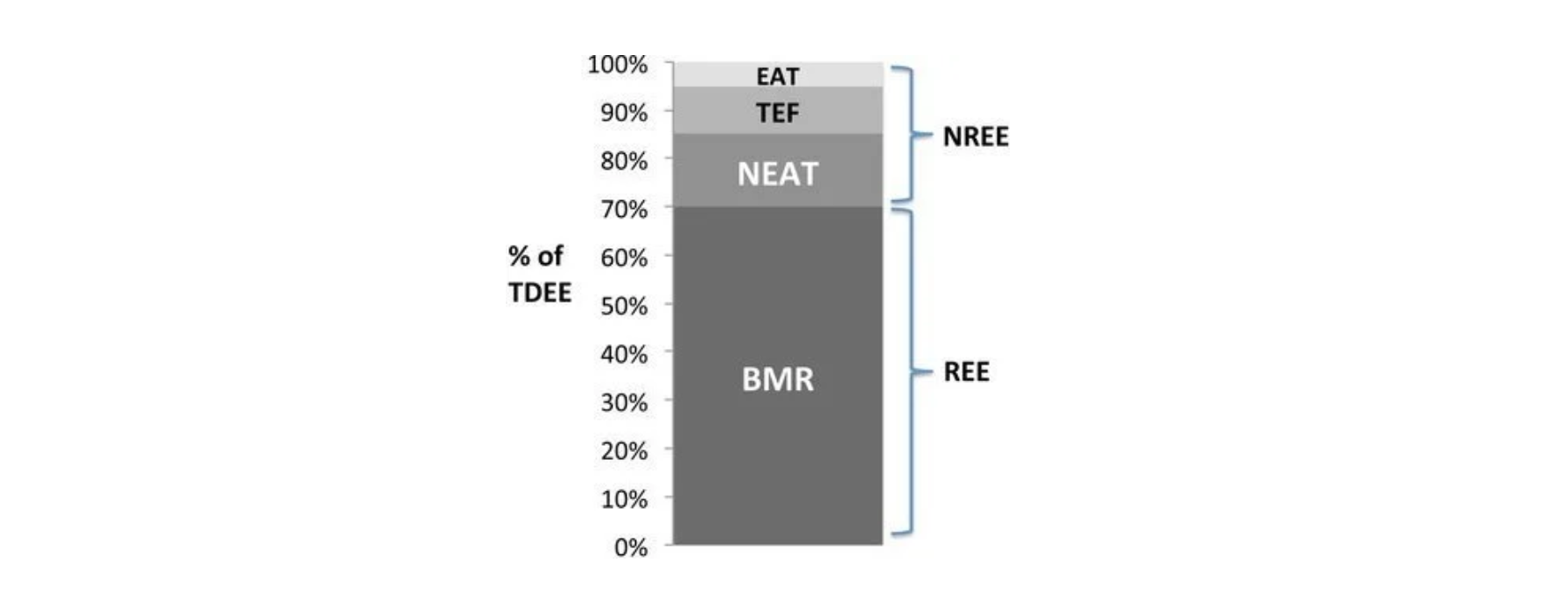
FIGURE 1. Components of total daily energy expenditure (TDEE)
BMR = basal metabolic rate; NEAT = non-exercise activity thermogenesis; TEF = thermic effect of food; EAT = exercise activity thermogenesis; REE = resting energy expenditure; NREE = non-resting energy expenditure. Adapted from Maclean et al., 2011.
Workouts like those found in popular HIIT studios do burn calories, but they represent only a portion of your total daily energy expenditure. Non-exercise activity thermogenesis (NEAT), for example, often makes up a larger portion of your daily calorie burn. NEAT is all the calories that you burn simply by doing activities associated with the demands of daily life: walking the dog, carrying groceries, pacing back-and-forth on an important business call, etc. According to Levine (2002), NEAT can vary greatly between individuals and can have a more significant impact on daily calorie expenditure than a single workout (1).
2. EPOC and the Afterburn Effect:
HIIT studios often highlight the afterburn effect, also known as Excess Post-Exercise Oxygen Consumption (EPOC), to explain why their high-intensity workouts lead to prolonged calorie burn after the workout is over. While it is true that intense exercise increases oxygen consumption and metabolism in the hours following a workout, the extent of this calorie burn is often overstated.
LaForgia, Withers, and Gore (2006) found that while high-intensity exercise can elevate metabolism post-workout, the additional calorie burn due to EPOC is only about 6-15% of the calories burned during the workout itself (2). This means that if you burn 400 calories in an Orangetheory class, you might burn an extra 24-60 calories due to EPOC, or about the amount of calories found in a single strawberry. A relatively small effect when considering fat loss over time.
3. Fat as Fuel During Exercise:
Another common misconception is that staying in certain heart rate zones, like the “orange zone,” helps burn more fat during exercise. While it is true that at lower intensities (such as steady-state cardio), the body burns a higher percentage of fat as fuel, this does not mean that training at higher intensities (where carbohydrates are the main fuel source) is less effective for fat loss.
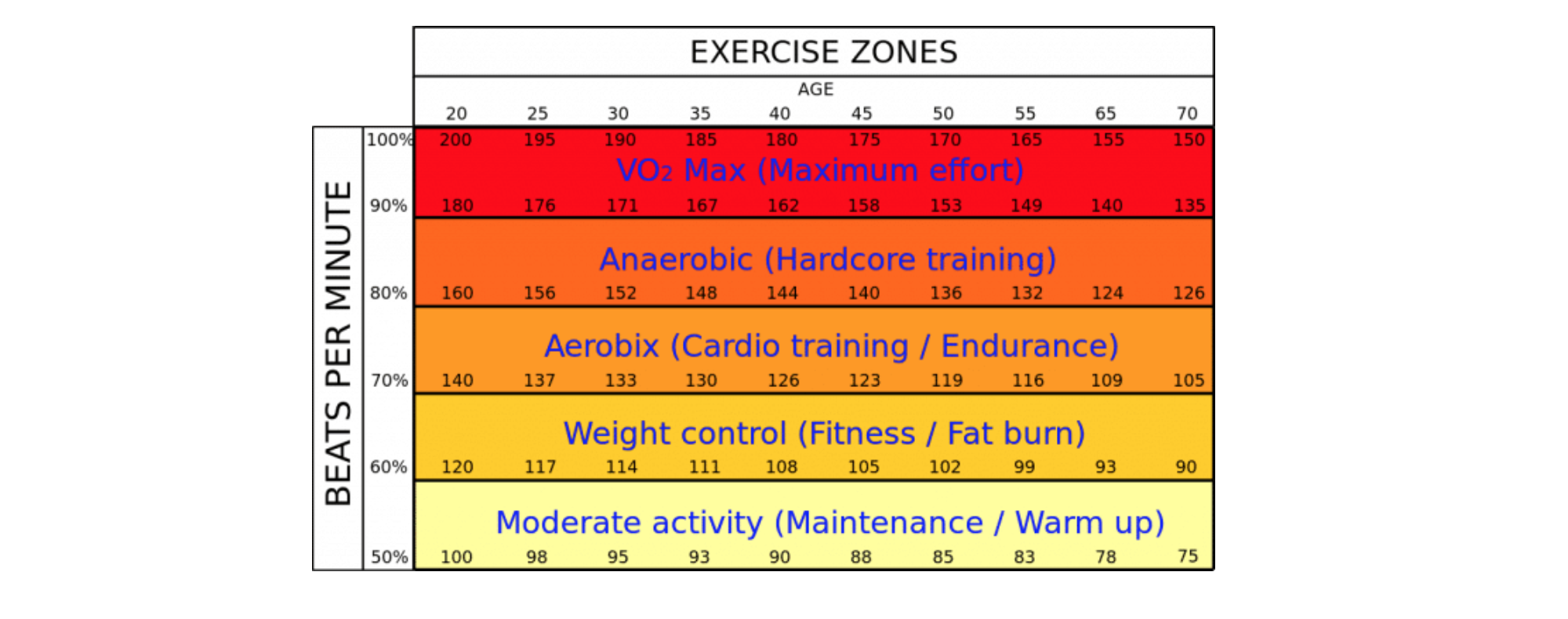
FIGURE 2: Heart Rate Zones
Achten and Jeukendrup (2004) found that fat oxidation (the use of fat for fuel) is maximized at lower intensities, typically around 50-65% of VO2 max (3). However, fat loss is not directly determined by the fuel source used during exercise. Rather, it’s the total number of calories burned and, more importantly, whether or not you are in a caloric deficit. Whether your body is using fat or carbohydrates during a workout, if you are consuming more calories than you burn, you will not lose fat.
4. Muscle Building and Fat Loss:
Many studios claim that their HIIT workouts are effective for both burning fat and building muscle. However, muscle hypertrophy (growth) requires a very specific set of training conditions, including progressive overload (gradually increasing the weights or resistance used in training), adequate recovery, and sufficient volume.
Schoenfeld (2010) explains that hypertrophy is best achieved through structured, progressive resistance training, where loads are progressively increased to ensure muscle adaptation (4). HIIT workouts, which often involve light weights and minimal rest between exercises, do not provide the same stimulus for muscle growth. Additionally, the variation in exercises and lack of focus on progressive overload makes it difficult to build significant muscle mass in a HIIT setting.
Analysis:
When examining the scientific evidence behind popular claims about the "orange zone" and afterburn effects, it becomes clear that they are often overstated, especially regarding fat loss and muscle building. The focus on the immediate calorie burn in high-intensity classes can mislead individuals into thinking that a single workout has a significant long-term impact. However, the real driver of fat loss is the total daily energy expenditure (TDEE). No matter how intense a workout may be, it represents only a fraction of the overall calories burned throughout the day. What truly matters for fat loss is maintaining a calorie deficit over time, not just what is achieved during an hour in the gym.
One common misconception is the role of excess post-exercise oxygen consumption (EPOC), often referred to as the "afterburn." While EPOC does lead to some additional calorie burn post-workout, its contribution to fat loss is relatively small. The majority of the calories burned after exercise come from regular daily activities rather than the residual effects of the workout. Therefore, relying on the afterburn effect to significantly speed up fat loss is misleading, and individuals should instead focus on their overall activity levels and consistent energy expenditure across the day.
Additionally, the type of fuel used during exercise—whether it’s fat or carbohydrates—has little impact on long-term fat loss. The body is capable of burning fat efficiently throughout the day, regardless of what is burned during the workout itself. Similarly, high-intensity interval training (HIIT), often praised for its fat-burning potential, falls short when it comes to muscle building. Hypertrophy requires progressive resistance training, which is difficult to achieve in fast-paced, constantly varied HIIT classes. Without consistent, progressive overload, building muscle effectively becomes much harder..
Practical Takeaways:
Focus on Consistency, Not Just Intensity: Rather than worrying about heart rate zones or the afterburn effect, prioritize consistency in your workouts and aim for a sustainable caloric deficit through a combination of exercise, NEAT, and nutrition.
Structured Resistance Training for Muscle Growth: If muscle building is your goal, consider incorporating structured, progressive resistance training outside of your HIIT workouts. This will provide the necessary overload to stimulate muscle growth.
Track Total Daily Energy Expenditure: Remember that fat loss happens across the day, not just during your workout. Increasing NEAT (walking more, taking the stairs, etc.) can significantly impact fat loss.
Conclusion:
If you enjoy fitness classes, I certainly don't want to discourage you from doing what you love. Group classes like HIIT can be a fun way to stay active, improve cardiovascular health, and burn some calories. However, if your primary goals are fat loss or building muscle, it’s important to understand that these classes may not be the most effective strategy. While the "orange zone" and afterburn effects are appealing concepts, they don't live up to the claims when it comes to optimizing fat loss or muscle gain. That said, something is always better than nothing, and staying active is a great step in the right direction.
For fat loss, the key is maintaining a sustained calorie deficit through daily activity, rather than focusing on how many calories you burn in a single workout session. And when it comes to muscle growth, nothing can replace the value of progressive resistance training. Building muscle requires structure, consistency, and progressively overloading your muscles over time, which is hard to achieve in the fast-paced, ever-changing environment of group fitness classes.
So, while HIIT or other fitness classes can certainly have a place in a well-rounded fitness routine, it’s crucial to align your workouts with your specific goals. If you're serious about losing fat or gaining muscle, look for more structured, science-backed approaches that have been proven to deliver results.
Sources:
Levine, J. A. (2002). Non-exercise activity thermogenesis (NEAT): Environment and biology. American Journal of Physiology-Endocrinology and Metabolism, 283(3), E675-E685.
LaForgia, J., Withers, R. T., & Gore, C. J. (2006). Effects of exercise intensity and duration on the excess post-exercise oxygen consumption. Journal of Sports Sciences, 24(12), 1247-1264.
Achten, J., & Jeukendrup, A. E. (2004). Optimizing fat oxidation through exercise and diet. Nutrition, 20(7-8), 716-727.
Schoenfeld, B. J. (2010). The mechanisms of muscle hypertrophy and their application to resistance training. Journal of Strength and Conditioning Research, 24(10), 2857-2872.
DISCLAIMER
The information in this article is for educational and informational purposes only and is not intended as medical advice, diagnosis, or treatment. Always consult with a qualified healthcare provider or medical professional before beginning any new exercise, rehabilitation, or health program, especially if you have existing injuries or medical conditions. The assessments and training strategies discussed are general in nature and may not be appropriate for every individual. At Verro, we strive to provide personalized guidance based on each client’s unique needs and circumstances.