Energy Density Explained: A Smarter Approach to Weight Management
Key Points
Lowering the energy density of meals helps reduce calorie intake, supporting weight management by making it easier to achieve a calorie deficit.
The relationship between energy density and food intake is continuous, without a specific threshold where satiety drastically changes.
Highly enjoyable foods can increase consumption, so balancing energy density with palatability is crucial for sustainable eating habits.
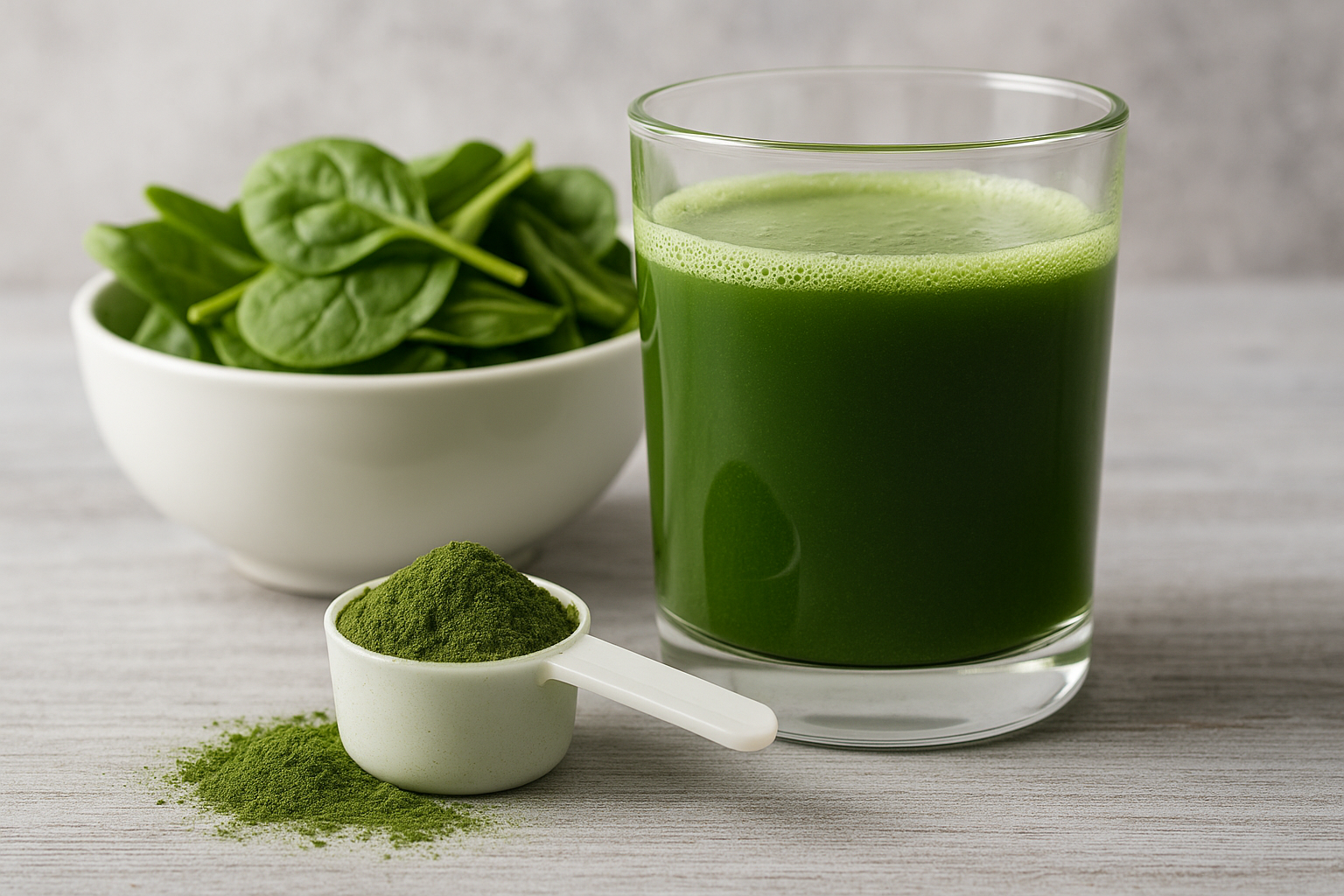
Incorporate low-energy-density foods like fruits and vegetables into your diet while ensuring meals remain satisfying and enjoyable.
A diet that balances low energy density with high palatability is more likely to be effective and sustainable in the long term.
Introduction:
To lose weight, you need to burn more calories than you consume—there’s no secret about that. However, despite how simple this concept may seem, implementing it in practice is significantly harder. In the quest for effective weight management, the concept of energy density—how many calories are packed into a given amount of food—has emerged as a key factor in determining how much we eat and, ultimately, how much we weigh. Previous research has suggested that lowering the energy density of meals could help reduce overall calorie intake, potentially making it easier to lose weight or maintain a healthy body composition. However, recent findings challenge the idea that there’s a specific threshold at which this strategy becomes most effective. Instead, the relationship between energy density and food consumption might be more linear and complex than previously thought.
In this post, we'll explore the findings of this latest research, place it in the context of the broader scientific literature, discuss what it means for our understanding of energy density, and explain how we can apply these insights to our own diets for better health outcomes.
UNDERSTANDING ENERGY DENSITY
Energy density refers to the number of calories in a given weight or volume of food. Foods with high energy density contain more calories in smaller amounts, like cookies or cheese, while low-energy-density foods, like fruits and vegetables, have fewer calories in larger volumes. Understanding energy density can be crucial for achieving a calorie deficit—consuming fewer calories than your body needs to maintain its current weight—because by choosing low-energy-density foods, you can eat satisfying portions that fill you up without consuming too many calories, making it easier to reduce your overall intake and lose weight.
Consider two foods: a slice of whole wheat bread and ⅛ cup of granola. Both have a similar macronutrient breakdown, with around 15 grams of carbohydrates, 3 grams of protein, and 2 grams of fat, but they differ in energy density. The bread will likely fill you up more than the small amount of granola. The slice of whole wheat bread is lower in energy density, so it’s larger in volume compared to the granola, which is higher in energy density and more compact. Eating the bread, which takes up more space in your stomach, will likely make you feel fuller compared to the small portion of granola, even though they contain similar amounts of calories and macronutrients. This means you’re more likely to stay satisfied longer with the bread, helping you maintain a calorie deficit by reducing the likelihood of reaching for another snack soon after.
I should note though, it’s not just about energy density alone. The palatability of food—the pleasure and satisfaction derived from eating it—also plays a significant role in how much we eat and how sustainable our diet is over time. This was shown in a study from Fazzino et al (2023) which emphasized that while lowering energy density can help reduce calorie intake, the food's palatability should not be overlooked (1). Highly palatable foods are known to trigger greater food intake, which can sometimes counteract the benefits of choosing lower-energy-density options. If we return to the bread and granola analogy, we should note that granola is significantly more palatable than a slice of bread. This means it might be harder to stop at a small portion, underscoring the importance of balancing energy density with palatability.
EVIDENCE FOR THE ENERGY DENSITY HYPOTHESIS
Previous research, such as that of Flynn et al. (2022) have explored the relationship between the energy density of meals and how much people eat. The central hypothesis derived from these studies was that there is a critical threshold around 1.75 kcal/g where the predominant factor influencing satiety shifts. When the energy density of a meal is below this threshold, the volume of food consumed (and thus the space it occupies in the stomach) was believed to be the key signal that makes people feel full. As a result, eating large portions of low-energy-density foods would help reduce overall calorie intake because they fill up the stomach without adding many calories.
Above the 1.75 kcal/g threshold, however, these studies suggested that the calorie content of the food, rather than its volume, becomes the main signal for satiety. In other words, when meals are more calorie-dense, people might eat smaller portions because the body's satiety signals respond more to the amount of energy consumed rather than the physical amount of food.
The findings from these earlier studies led to the recommendation that reducing the energy density of meals could be an effective strategy for lowering calorie intake, particularly when the energy density is kept below this proposed threshold. This concept has influenced dietary guidelines, encouraging the consumption of low-energy-density foods like fruits and vegetables to help with weight management and prevent overeating.
However new information from Finlay et al (2024) challenges this threshold-based model, suggesting that the relationship between energy density and calorie intake is more linear and continuous, without a specific inflection point where the effects of energy density on satiety and intake drastically change. Again, Fazzino’s research indicates that palatability also significantly affects this relationship, as highly palatable foods can drive increased consumption, potentially leading to overeating even when the energy density is low. A good example might be frozen yogurt, which especially compared to ice cream, isn’t very energy dense, but if you eat a pint of it because it tastes so good, you’ll still be consuming lots of calories.
FINLAY STUDY OVERVIEW
The study by Finlay et al. (2024) explored how the energy density of meals—essentially, the number of calories per gram of food—affects how much people eat. This research directly tested earlier hypotheses that suggested there might be a specific energy density threshold, around 1.75 kcal/g, below which reducing energy density would lead to significantly lower calorie intake by making food volume the key driver of satiety. The study was conducted in two parts: the first experiment used familiar foods with varying energy densities to see how much participants would eat when allowed to consume as much as they wanted. The second experiment manipulated energy density while controlling for sensory differences, observing not just meal intake but also how participants' eating habits changed throughout the day.
The results showed that participants tended to consume more calories as the energy density of their meals increased, with no distinct cutoff point where the effect of energy density on calorie intake changed dramatically. This finding contradicts the idea that a specific threshold exists beyond which lowering energy density would no longer be effective. Instead, the study found a more continuous relationship, suggesting that while lower energy density can indeed help reduce overall calorie intake, the effect is gradual and not dependent on a strict threshold. Additionally, the study highlighted the importance of food palatability—how enjoyable the food is—as it also played a significant role in determining how much participants ate. These findings suggest that effective dietary strategies should focus on lowering energy density while maintaining food enjoyment, rather than aiming for a specific target value for energy density.
PRACTICAL TAKEAWAYS
From the research on energy density, including the latest findings by Finlay et al. and the emphasis on palatability by Fazzino et al., several practical takeaways emerge for those looking to manage their weight or improve their diet. First, incorporating more low-energy-density foods—such as fruits, vegetables, and whole grains—into your meals can help you feel fuller while consuming fewer calories, making it easier to achieve a calorie deficit without feeling deprived. However, it’s also important to balance energy density with food palatability; overly restrictive diets with very low energy density might be difficult to maintain long-term. Instead of focusing on hitting a specific energy density target, aim for a diet that includes a variety of satisfying, nutrient-rich foods that are lower in calories. This approach allows for flexibility, ensuring that your diet is both enjoyable and effective in managing your calorie intake, ultimately supporting sustainable weight management and better overall health.
Sources:
Fazzino TL, Courville AB, Guo J, Hall KD. Ad libitum meal energy intake is positively influenced by energy density, eating rate and hyper-palatable food across four dietary patterns. Nat Food. 2023 Feb;4(2):144-147
Flynn AN, Hall KD, Courville AB, Rogers PJ, Brunstrom JM. Time to revisit the passive overconsumption hypothesis? Humans show sensitivity to calories in energy-rich meals. Am J Clin Nutr. 2022 Aug 4;116(2):581-588.
Finlay AH, Boyland EJ, Jones A, Langfield T, Bending E, Malhi MS, et al. Passive overconsumption? Limited evidence of compensation in meal size when consuming foods high in energy density: Two randomised crossover experiments. Appetite. 2024 Sep 1;200:107533.
DISCLAIMER
The information in this article is for educational and informational purposes only and is not intended as medical advice, diagnosis, or treatment. Always consult with a qualified healthcare provider or medical professional before beginning any new exercise, rehabilitation, or health program, especially if you have existing injuries or medical conditions. The assessments and training strategies discussed are general in nature and may not be appropriate for every individual. At Verro, we strive to provide personalized guidance based on each client’s unique needs and circumstances.