Carve the Slopes, Not Your Body: Strength Training for Snowboarders (FREE SAMPLE PROGRAM)
Key Points
Strength training helps snowboarders improve performance and reduce the risk of injury.
Key focus areas include lower body strength, core stability, balance, flexibility, and power.
Exercises like squats, deadlifts, lunges, and plyometrics are essential for snowboarding.
Incorporating single-leg exercises, balance drills, and mobility work enhances functionality and performance.
Aerobic and anaerobic conditioning are critical for endurance on the slopes and the short bursts required for tricks.
Introduction:
Since moving to Los Angeles and doing my yearly pilgrimage to Mammoth, I’ve come to the conclusion that snowboarding is the most fun you can have while standing on a piece of fiberglass-covered wood. And I’m not alone, many of my clients are ICON pass holders and whether they’re cruising down groomers, weaving through powdery glades, or sending it off a terrain park jump, the sport is a test of strength, balance, and coordination. So how can I as a trainer make sure that time spent in the gym translates to shredding black diamonds? Now, snowboarding doesn’t just reward athleticism—it demands it. And the price for ignoring that demand? Wobbly legs after the first run, sloppy turns, or worse, an injury that keeps you off the slopes altogether.
If you're serious about maximizing your time on the mountain and staying healthy doing it, strength training can be a secret weapon. But this isn’t just a trainer trying to sell more training, it’s the science-backed. We want to build the muscle, power, and balance that you need to shred harder and recover faster. Forget endless crunches and those questionable workout fads you see on Instagram—let’s break down exactly why and how snowboarders should hit the gym.
Scientific Evidence
Snowboarding might look effortless from afar, but it’s a complex interplay of physical demands. Research into the biomechanics and physiological requirements of snowboarding highlights several key attributes for success: lower body strength, explosive power, core stability, and balance. Each of these can be developed through targeted strength training. Let’s dive into the evidence.
Lower Body Strength and Power
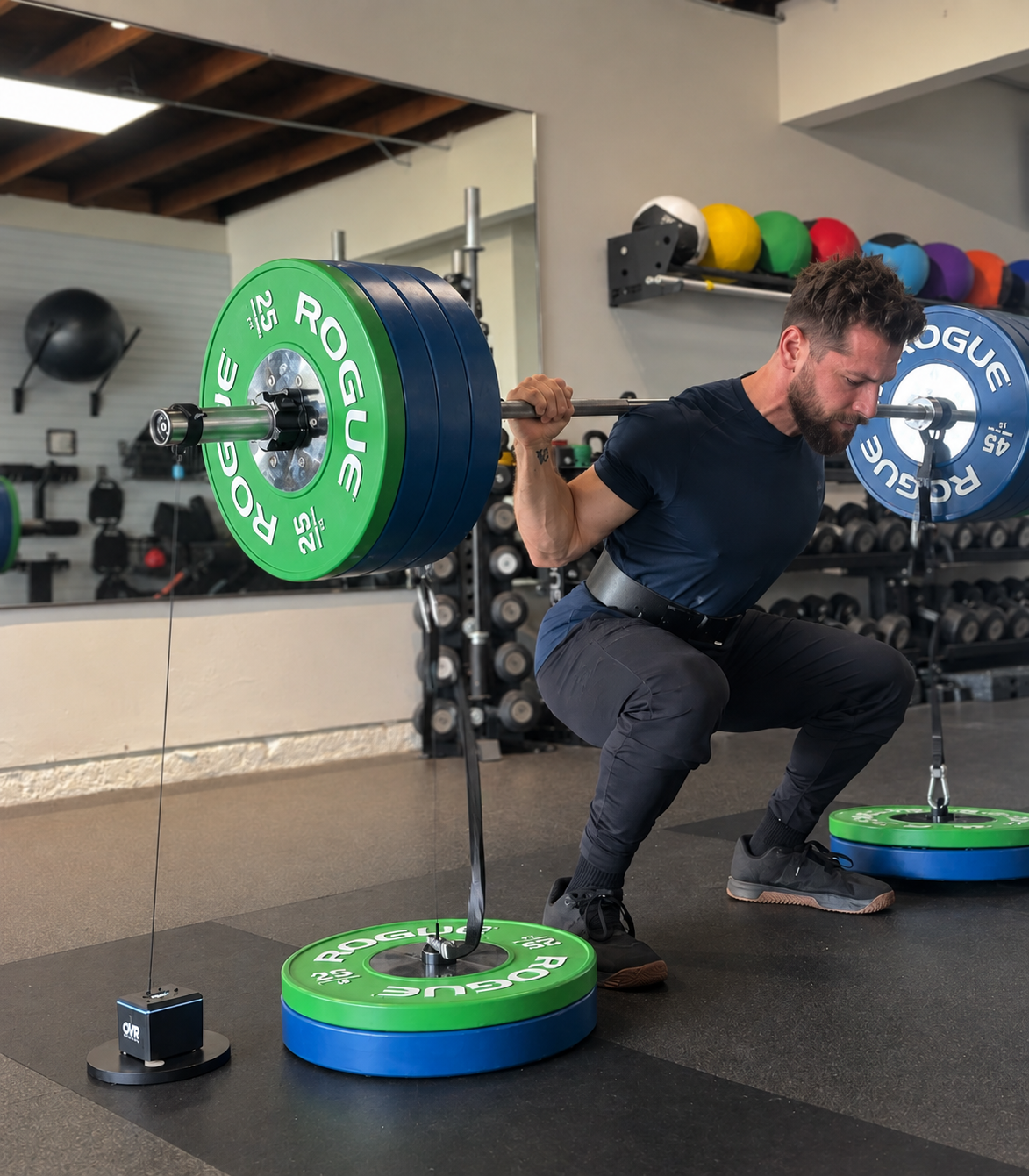
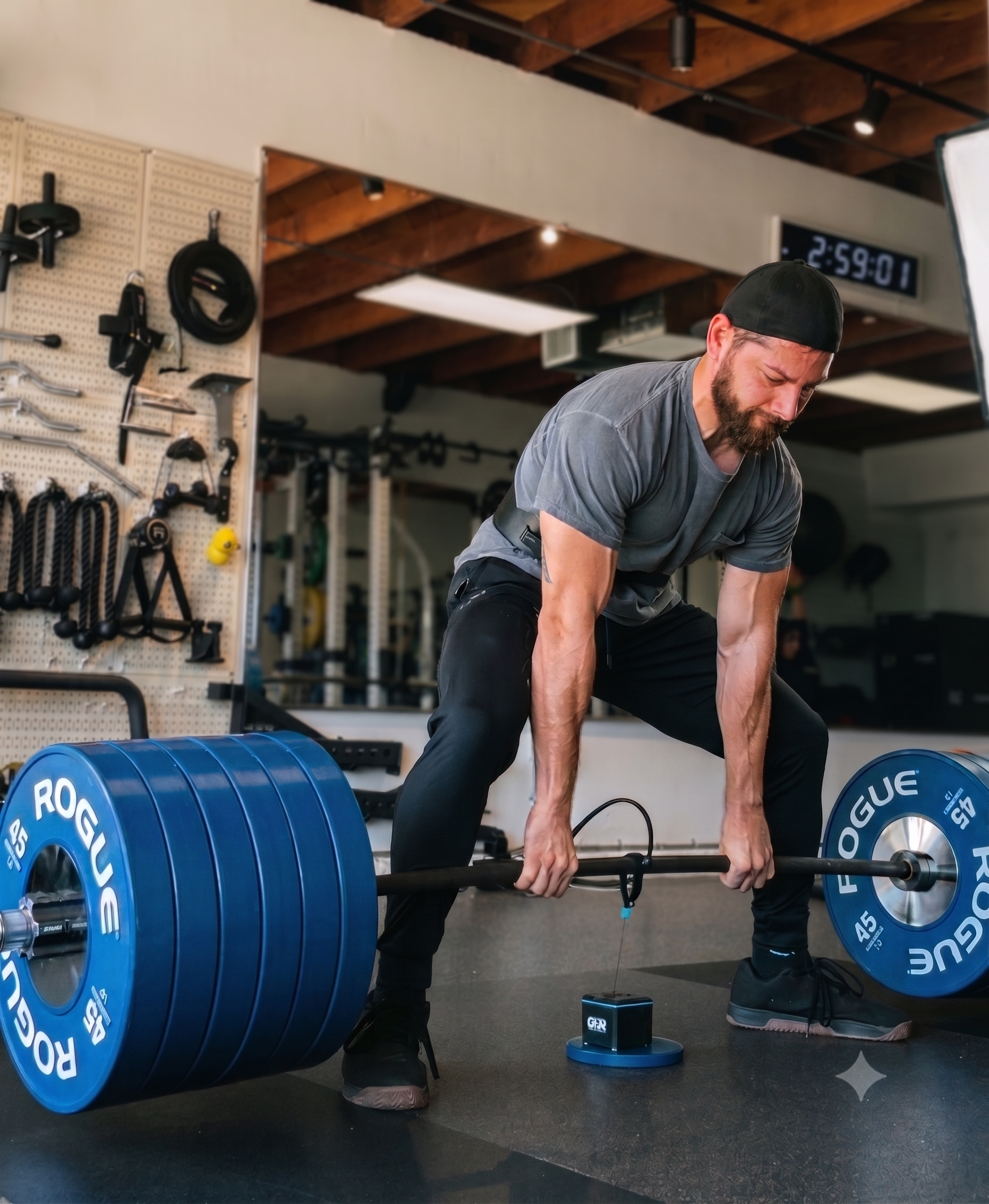
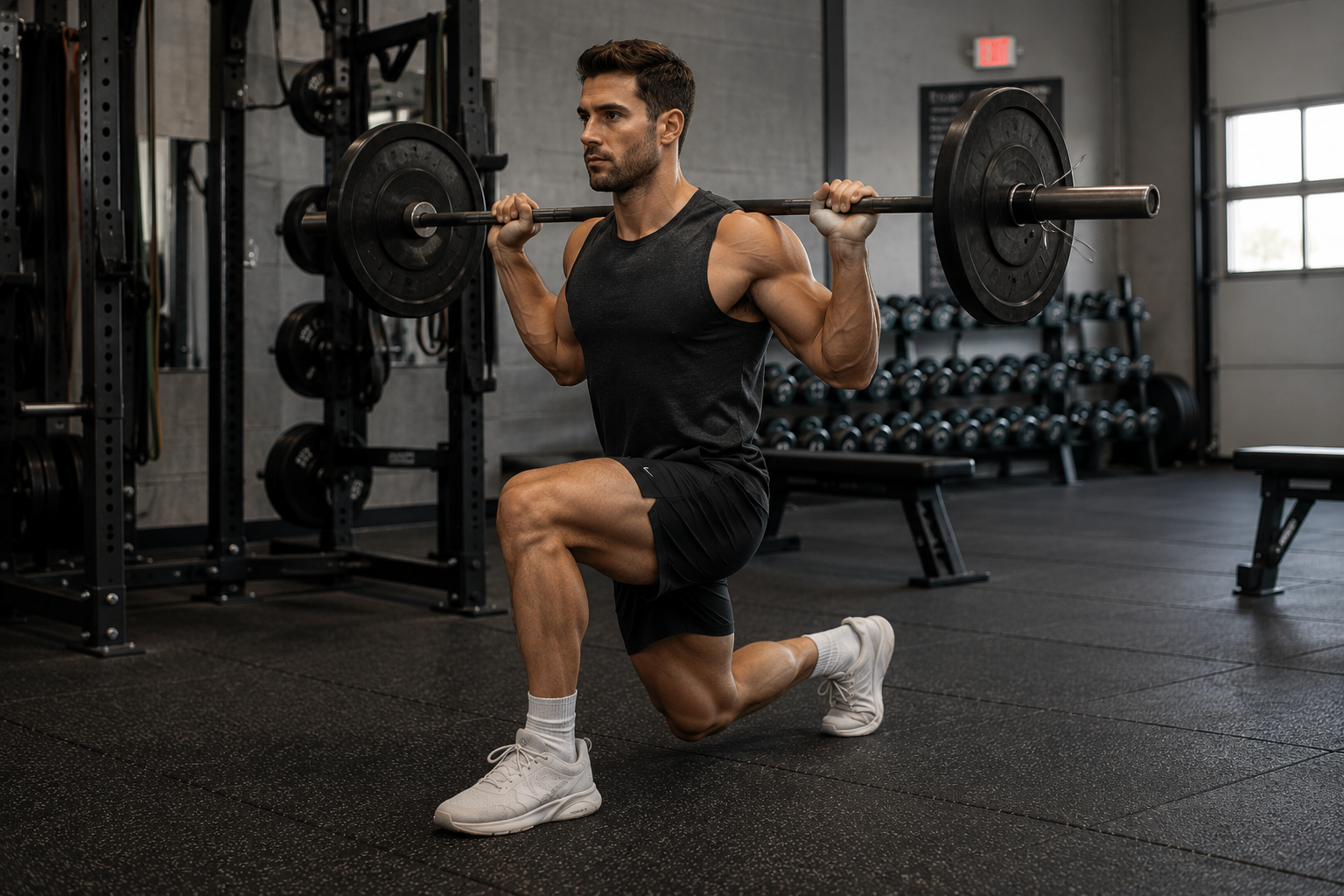
Unsurprising to anyone who’s stepped foot onto a board, the lower body does most of the heavy lifting in snowboarding, stabilizing the rider on an unstable surface and providing power for turns and jumps. Squats and lunges are foundational exercises that target the big muscles of the lower body. The deadlift, which works the posterior chain (hamstrings, glutes, and lower back), is particularly effective for improving balance and generating power. All the muscles of the lower body are critical for absorbing impacts during landings and maintaining control during carving. This has been shown in research from Vernillo (2018) and Wang (2022) (1)(2).
Both of these studies also showed that since snowboarding often requires quick, explosive movements, such as transitioning between turns or launching into a trick, plyometric exercises like box jumps have been shown to be particularly effective. This is because they develop the fast-twitch muscle fibers responsible for explosive strength (1)(2).
Core Stability
Like pretty much every sport on the planet, your core is going to be important when it comes to snowboarding. Your core is responsible for maintaining balance and transferring power between the upper and lower body. Research from Jeon (2020) emphasizes stability exercises like Russian twists and Medicine ball throws do a particularly good job at strengthening the abdominal and oblique muscles when it comes to snowboarding. This strength is crucial for the stability necessary during turns and jumps (3).
Balance and Coordination
Balance is perhaps the most obvious physical requirement for snowboarding. It doesn’t matter how strong you are, if you can’t stay up on your board you’re not going to have very fun on the slopes. Research from Vernillo (2016) showed how single-leg exercises like Bulgarian split squats and single-leg Romanian deadlifts not only improve balance but also correct strength asymmetries between the dominant and non-dominant legs. This can be particularly helpful for individuals who ride switch (4).
Now normally I hate them, but for balance training, using a Bosu ball can be a good idea in this case. Tanyeri (2019) demonstarted balance training is an effective training strategy for boarders as it simulates the unstable surface of snow and can enhance proprioception, making quick adjustments on the board feel second nature (5).
Upper Body Strength
Though the lower body gets most of the attention, and rightfully so, the upper body also plays a supporting role, albeit non essential one. According to the Jeon study that was mentioned earlier, compound upper body lifts like push-ups and pull-ups can be beneficial for maintaining posture, handling falls, and executing grabs during tricks, while exercises like shoulder presses help stabilize the upper body during landings and when maintaining balance in challenging terrain (3).
Flexibility and Mobility
Snowboarding often requires putting your body into positions it may not be used to. For this reason, flexibility and mobility in the hips, knees, and ankles is especially important for efficient movement on the board. Flexibility work, such as dynamic stretches and foam rolling, and mobility work, such as loading end ranges of motion with load, helps prevent injuries and enhances range of motion in the joints. This allows for deeper turns, better shock absorption, and smoother transitions (3).
Aerobic and Anaerobic Conditioning
Snowboarding sessions often alternate between periods of sustained effort (cruising down a long slope) and short bursts of intense activity (hitting a jump or sprinting to avoid a tree). For this reason aerobic conditioning supports endurance for a full day on the mountain. However anaerobic training, such as sprint intervals, prepares the body for those high-intensity bursts (1)(2).
Analysis
When examining the evidence on strength training for snowboarding, a few unique insights emerge that go beyond the surface-level findings. Snowboarding is a sport dominated by instability, asymmetry, and dynamic movement patterns, which means the insights gained from the research often highlight the necessity of balance between stability and explosiveness. However, while the studies provide valuable direction, they also have notable limitations, opening up opportunities for further exploration.
The studies by Vernillo et al. (2016, 2018) make strong cases for the role of lower body strength and asymmetry correction in snowboarding. The emphasis on squats, lunges, and deadlifts is logical given the sport’s reliance on powerful and stable lower body mechanics. The findings are well-supported by observations of snowboarding athletes, and the focus on unilateral movements to correct asymmetry is particularly useful. However, the studies are relatively narrow in scope, primarily observing elite athletes. This limits their applicability to recreational snowboarders, who may have different physical demands and baseline fitness levels.
The research by Jeon & Eom (2020) provides crucial insights into core training and balance. Their focus on rotational strength through exercises like medicine ball throws and Russian twists aligns well with snowboarding’s demands for turning and transitioning between tricks. Yet, this study primarily focuses on static balance tests and doesn’t delve deeply into the dynamic balance required in high-speed descents or unpredictable terrain changes. Adding a more dynamic component to their balance testing could strengthen these recommendations or prove to be irrelevant past a certain point.
Tanyeri’s (2019) work on balance board training is perhaps the most snowboarding-specific research, directly simulating unstable snow surfaces. Their findings suggest balance drills significantly improve proprioception, which could reduce injury risk. However, the study lacks long-term data to show whether balance board training translates into better performance over multiple seasons or whether its benefits diminish after reaching a certain proficiency.
Finally, Wang et al. (2022) highlight the importance of aerobic and anaerobic conditioning, which often receives less attention in snowboarding strength programs. Their work effectively illustrates the balance between endurance for long days on the mountain and explosive strength for bursts of high-intensity effort. However, their approach lumps all snowboarders together, without considering the distinct physical demands of disciplines like freestyle, alpine racing, or backcountry snowboarding.
A recurring theme across all the studies is the interplay between strength and balance. This duality suggests that training for snowboarding is not just about building stronger muscles but also about creating a system that can adapt to constant instability. Strength training, particularly when paired with balance drills, appears to accelerate neuromuscular adaptations, making movements more efficient and reactive. However, the asymmetry inherent in snowboarding poses unique challenges that these studies only partially address. For example, further research could investigate whether consistent training for balance on both legs reduces asymmetry over time or whether specific imbalances are advantageous for snowboarding performance.
Another unique insight is the potential underappreciation of plyometric and power-based training. While the studies recommend these exercises, they often stop short of exploring how snowboarders could periodize these efforts for optimal results. For example, would incorporating depth jumps or single-leg bounding exercises closer to the season improve on-snow explosiveness, or could excessive power work lead to overtraining?
To advance the understanding of strength training for snowboarders, several areas of research could be explored:
Dynamic Balance Assessment: Future studies could examine the impact of dynamic balance drills—such as single-leg landings or unstable surface training during explosive movements—on snowboarding performance. Simulating snow conditions in a controlled gym environment could provide more direct insights into how training transfers to the slopes.
Discipline-Specific Demands: Snowboarding disciplines, such as freestyle, alpine, and backcountry, have distinct physical requirements. Research that isolates the demands of each discipline could help refine training recommendations. For example, backcountry riders may benefit more from endurance-based protocols, while freestyle athletes might require higher volumes of plyometric training.
Longitudinal Studies on Asymmetry: While Vernillo et al. (2016) highlight the need to correct asymmetries, the long-term effects of these corrections remain unclear. Does reducing asymmetry improve performance and reduce injury rates, or do some asymmetries naturally develop as adaptations to snowboarding? Longitudinal studies could provide clarity.
Fatigue Resistance and Conditioning: While aerobic and anaerobic conditioning are well-studied, the effects of fatigue on technique and performance remain underexplored. Future studies could investigate how fatigue-resistant training programs influence riders’ ability to maintain control and balance during extended sessions on the mountain.
Recovery and Mobility: Snowboarding’s high impact on joints, particularly the knees and ankles, makes recovery and mobility crucial. Research into the effectiveness of active recovery techniques, such as yoga or mobility circuits, could provide snowboarders with tools to extend their seasons and reduce injury risk.
Gender-Specific Training Insights: Much of the research assumes a generalized approach to snowboarding, but physiological differences between male and female athletes could lead to nuanced variations in training programs. For instance, research could explore whether women benefit from different plyometric loads or mobility protocols.
The current body of research paints a promising picture for how strength training can enhance snowboarding performance, but it also leaves significant gaps. Snowboarding’s dynamic and unpredictable nature requires an equally dynamic approach to training. By incorporating more dynamic balance work, refining asymmetry correction protocols, and exploring the impact of fatigue, future research could provide snowboarders with even more targeted insights. The ultimate goal should be to create training programs that not only improve performance but also maximize time on the mountain and keep riders healthy season after season.
Practical Takeaways
Nothing will improve your snowboarding more than actually spending time on the mountain. Practice is irreplaceable for honing technique, building confidence, and adapting to variable terrain. However, the right strength training program is your best ally for maximizing your time on the slopes and preventing injury. To maximize your snowboarding performance, focus on building functional strength with exercises like squats, deadlifts, and lunges. These foundational movements target the lower body muscles that provide stability and power on the slopes. To further enhance explosive strength for jumps and quick transitions, incorporate plyometric drills such as box jumps. Addressing asymmetries is also crucial since snowboarding places uneven demands on the body; single-leg exercises like Bulgarian split squats and single-leg Romanian deadlifts can help improve balance and correct imbalances between the legs.
Core training should emphasize both stability and dynamic rotational strength. Planks and Russian twists are excellent for building foundational stability, while medicine ball throws mimic the rotational movements required for carving turns and performing tricks. Balance and coordination training are equally important. Using tools like balance boards or Bosu balls can simulate the unstable surfaces snowboarders encounter, while single-leg movements can improve proprioception and prepare the body for rapid adjustments.
Flexibility and mobility are essential for reducing the risk of injury and improving efficiency on the board. Dynamic stretches and foam rolling, particularly for the hips, knees, and ankles, can enhance range of motion and make turns and landings feel smoother. Conditioning is another critical component; steady-state cardio builds aerobic endurance for all-day riding, while sprint intervals develop the anaerobic power needed for high-intensity bursts during tricks or rapid descents.
A well-rounded training program should include 2–3 strength sessions per week during the off-season, gradually transitioning to maintenance work once the snowboarding season begins. Prioritize quality over quantity, focusing on proper form and functionality rather than heavy loads. This approach will ensure that your strength gains translate directly to the mountain, helping you ride longer, jump higher, and stay injury-free.
For starters I’ve written a program that simplifies and applies all this information into an applicable workout plan. You can find it here.
Conclusion
Snowboarding is more than a sport; it’s a physical and mental performance that thrives on time spent on the mountain. No training program can replace the gains you make by practicing on the slopes, but strength training is your best tool for getting the most out of every run. By focusing on functional movements, addressing imbalances, and preparing for the unique challenges of snowboarding, you can enhance your performance and reduce your risk of injury.
A well-designed training program allows you to build strength and endurance in the off-season, so you’re ready to hit the ground running—or rather, shredding—when snowboarding season begins. When it’s time to ride, you can scale back to maintenance training, keeping your body strong while dedicating your energy to improving on the board. This balanced approach ensures that every hour in the gym and every second on the mountain work together, helping you ride with more control, confidence, and joy while staying injury-free for seasons to come.
Sources:
Vernillo, G., Pisoni, C., & Thiébat, G. (2018). Physiological and Physical Profile of Snowboarding: A Preliminary Review. Frontiers in Physiology, 9. https://doi.org/10.3389/fphys.2018.00770
Wang, Z., Zhong, Y., & Wang, S. (2022). Anthropometric, Physiological, and Physical Profile of Elite Snowboarding Athletes. Strength and Conditioning Journal, 45, 131 - 139. https://doi.org/10.1519/SSC.0000000000000718
Jeon, Y., & Eom, K. (2020). Role of physique and physical fitness in the balance of Korean national snowboard athletes. Journal of Exercise Science and Fitness, 19, 1 - 7. https://doi.org/10.1016/j.jesf.2020.07.001
Vernillo, G., Pisoni, C., & Thiébat, G. (2016). Strength Asymmetry Between Front and Rear Leg in Elite Snowboard Athletes. Clinical Journal of Sport Medicine, 26, 83–85. https://doi.org/10.1097/JSM.0000000000000194
Tanyeri, L., & Öncen, S. (2019). The Effects of Coordination Trainings on Different Surfaces on the Slalom Downhill Speed Velocity of Snowboarders. Journal of Education and Training Studies. https://doi.org/10.11114/JETS.V7I3.4099
DISCLAIMER
The information in this article is for educational and informational purposes only and is not intended as medical advice, diagnosis, or treatment. Always consult with a qualified healthcare provider or medical professional before beginning any new exercise, rehabilitation, or health program, especially if you have existing injuries or medical conditions. The assessments and training strategies discussed are general in nature and may not be appropriate for every individual. At Verro, we strive to provide personalized guidance based on each client’s unique needs and circumstances.