Birthing Position Guidance
Many women may not be aware that lying on their back to give birth is not necessary. There are a variety of positions that women can safely give birth in, and here are a few recommendations:
Side-Lying
One of the most common positions is side-lying. In this position, you can rest on a bed or have someone support your top leg which will allow for a lot of space for the pelvis to open up and for the baby to descend. The side-lying position has also been shown to decrease the risk of perineal tearing.
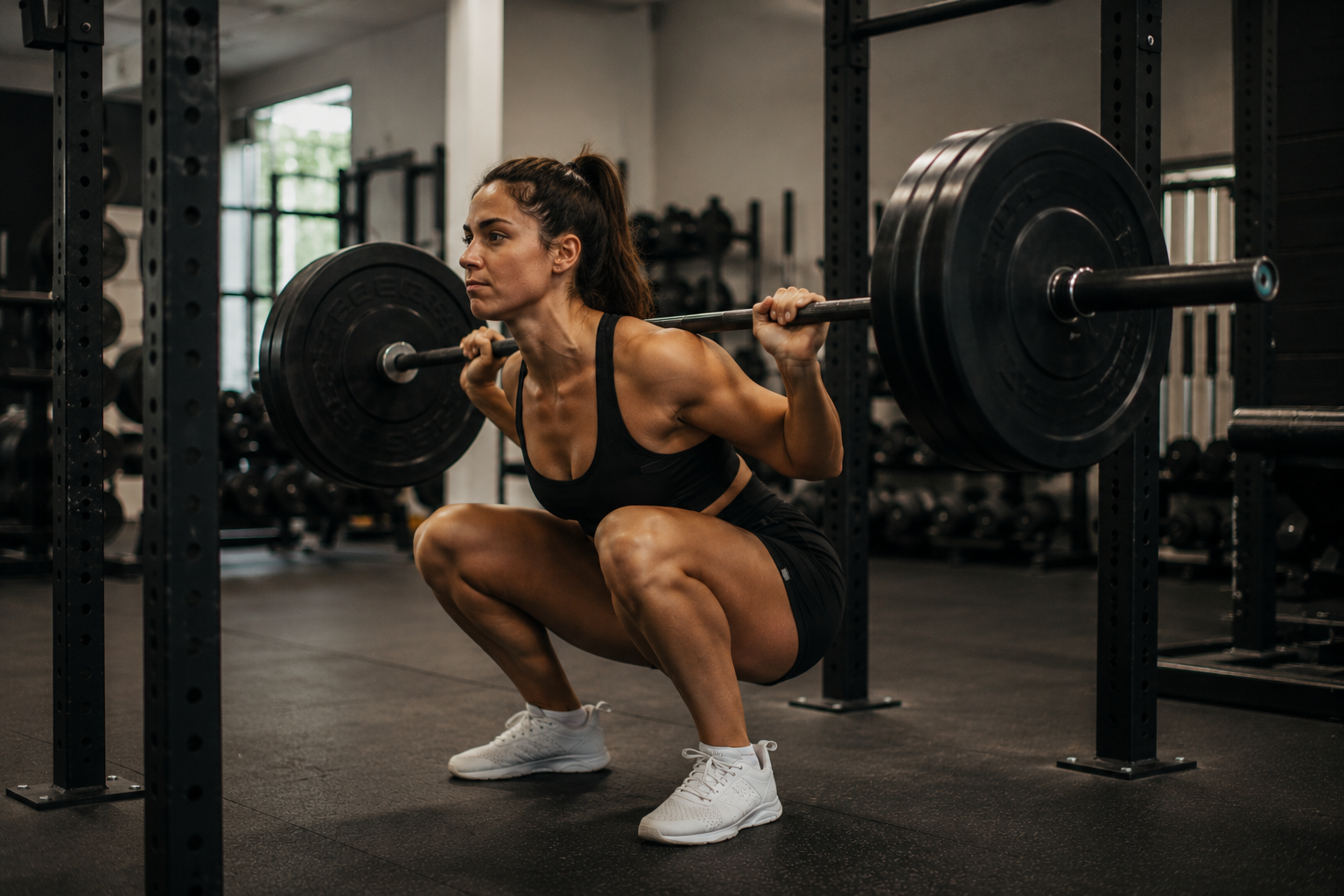
Deep Squat
The deep squat position can also be an option as it helps open the pelvis. Some hospitals have squat bars that you can hold onto for support. This position would not be a good option for women who have pubic symphysis pain as it can aggravate or worsen it. *Make sure to talk to your physical therapist to find out if this position is a good option for you.
Hands and Knees
Hands and knees is a great position that allows you rest your head and arms on a pillow. This position is helpful for women who have pubic symphysis pain. In this position, the sacrum is not compressed which allows everything to be nice and relaxed while taking pressure off the spine. You can get into this position even with an epidural if you have people who can help support you.
Again, this will be different for every individual, depending on their condition, environment and what their body is telling them before and during birth. Remember to contact your healthcare professional or physical therapist to discuss your options and which position are safest for you and your baby.
DISCLAIMER
The information provided in this blog is for educational and informational purposes only and is not intended as medical or training advice. The Fatigability Score is an estimation tool based on practical training variables and should not replace individualized coaching, medical assessment, or evidence-based recovery protocols. Always consult with a qualified fitness professional or healthcare provider before making significant changes to your exercise program.