Is It Safe To Exercise With Low Back Pain?
How Movement Can Actually Help - And Which Types To Avoid
Have you ever tried increasing your weight during your workout and ended up leaving the gym with back pain? Or even felt low back pain after waking up the next morning? You probably think that it is best to rest until your pain subsides but in most cases, movement is one of the most effective ways to reduce pain and improve function.
In fact, avoiding movement completely can often make symptoms worse. The goal is not to stop exercising, but to modify how you move so your body can tolerate and adapt to it.
So at the end of the day, the real question is not, “Should I exercise?”. It is “What kind of movement will help my back right now?”.
Why Rest Is Not Always The Answer
Low back pain is one of the most common reasons people stop exercising. You might feel afraid that you will make it worse, unsure what movement is safe, and frustrated that rest is not helping. On top of this, you have probably heard mixed advice of just resting, pushing through it, or to strengthen your core. And to be quite frank, none of these are completely right on their own.
Most low back pain is not caused by one single issue - it is influenced by:
Muscle strength and coordination
Movement patterns
Nervous system sensitivity
Stress and lifestyle factors
That is why a more balanced approach works best.
Why Rest Alone Often Makes Back Pain Worse
Low back pain is extremely common - up to 80-84% of adults experience low back pain at some point in their lives. For most people, it improves over time, especially when movement is maintained. When your back hurts, it might seem logical to rest when something hurts. While short-term rest can help in very acute situations, staying inactive for too long can actually make symptoms worse.
Research consistently shows that people with low back pain are encouraged to stay active and continue moving as much as possible rather than avoiding activity altogether. Your body is designed to move. When you stop completely, your system can become more sensitive, not less. Movement helps prevent stiffness in joints, maintain muscle strength, improve circulation, and reduce fear around movement. This is why most clinical guidelines recommend staying active within your tolerance rather than complete rest.
How Exercise Actually Helps Low Back Pain
Exercise does more than just “strengthen your back”. It supports recovery in several ways:
Improves Muscle Support
Your spine relies on surrounding muscles, including the core, hips, and back, for stability. Exercise helps these muscles work together more effectively.
Reduces Pain Sensitivity
Pain is not just physical - it is also influenced by your nervous system. Movement helps regulate the nervous system and can decrease how sensitive your body is to pain.
Restores Confidence In Movement
When something hurts, it is natural to avoid it. Over time, this can create fear around the movement. Gradual exercise helps rebuild trust in your body.
Helps Prevent Recurrence
Exercise has been shown to improve pain and function and may reduce the likelihood of future episodes However, this is where most people get stuck. It is not about whether you exercise, but how you exercise. Some movements support recovery, while others may temporarily aggravate symptoms, especially if your body is not ready for them yet.
Types of Exercise That Are Generally Helpful
If you are dealing with low back pain, these forms of movement are typically well tolerated and beneficial.
Low-Impact Cardio
Walking, cycling, and swimming keep you moving without placing excessive stress on the spine.
Mobility And Gentle Stretching
Improving mobility in the hips and mid-back can reduce strain on the low back.
Core Stability Exercises
Exercises like dead bugs, bird dogs, bridges, and clamshells help your body support your spine during movement rather than relying on your back alone
Controlled Strength Training
Yes - you can still lift weights! But the key is reducing load initially, focusing on form and control,l and gradually progressing over time.
Exercises That May Need Modification
Now, there are exercises that may aggravate your low back when you are first experiencing low back pain. This does not mean that these are bad and that you need to avoid these forever - they may just need to be adjusted depending on your symptoms.
High-Load Lifting
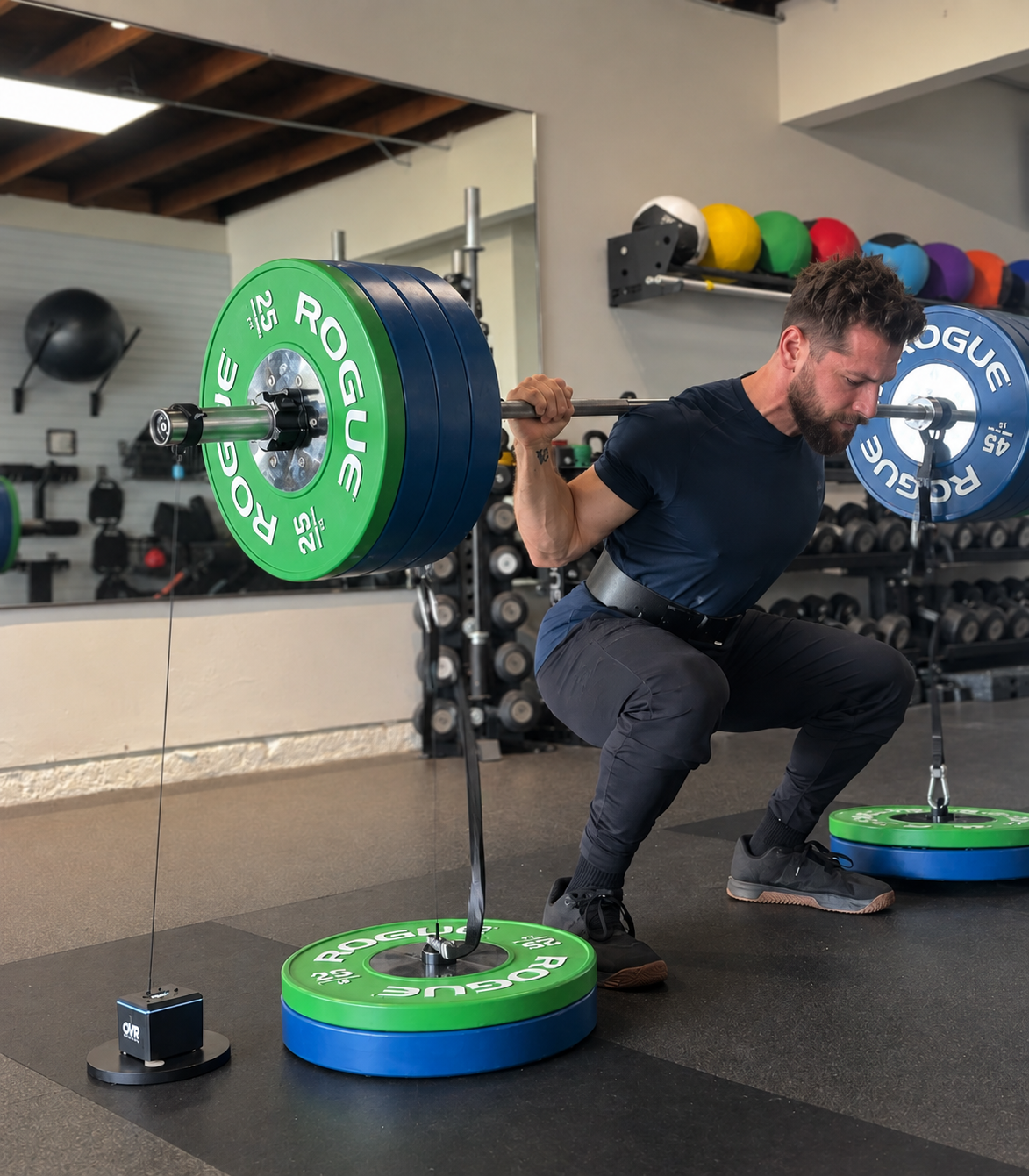
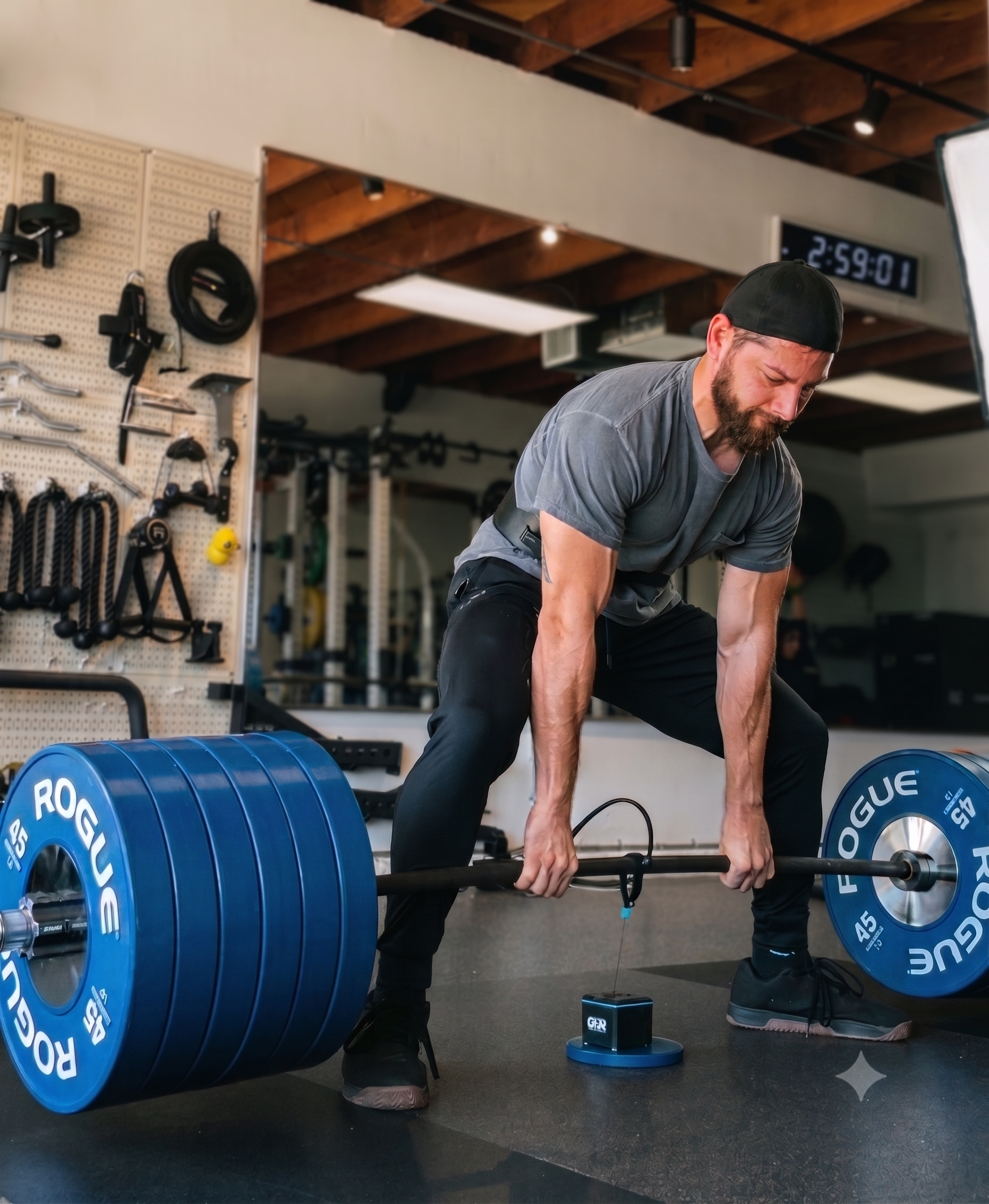
Heavy squats, deadlifts, or overhead lifts may need to be scaled back temporarily.
High Impact Movements
Running, jumping, or plyometrics can increase pressure and load on the system.
Excessive, Repetitive Spinal Movement - Flexion, Extension, Twisting
Movements like sit-ups, supermans, or russian twists can place additional stress on the spine - especially if done without control.
A Better Way To Think About It
Instead of labeling exercises as good or bad, use your symptoms as a guide. Ask yourself:
Does this movement increase my pain during or after?
Can I control the movement?
Do I feel better, worse, or the same afterward?
Your body’s response is often the best guide, but if you are unsure, you can use this guide for your activity:
Mild discomfort that improves afterward is generally okay
Moderate discomfort may mean you need to modify
Sharp or worsening pain is a sign to stop and reassess
Pain Does Not Always Mean Damage
One of the biggest misconceptions is that pain always means something is injured.
Low back pain is often influenced by:
Muscle tension
Sensitivity in the nervous system
Stress
Lack of movement variability
This means you can still have pain even when nothing is “damaged”. And it also means movement can still be safe - even if it feels uncomfortable at first.
When To Be More Cautious
While most low back pain is safe to move with, there are situations where you should seek medical care:
Severe or worsening pain
Pain radiating down the leg
Numbness or weakness
Loss of bowel or bladder control
Pain after a traumatic injury
How To Safely Return To Exercise
If you are dealing with low back pain, a gradual approach works best:
Start with what feels manageable. Even light movement like walking is a good starting point.
Focus on control over intensity. Proper movement patterns matter more than how hard you push.
Progress gradually - increase load and intensity over time rather than all at once.
Avoid breath holding. Breathing helps regulate pressure and reduces unnecessary strain.
Stay consistent. Consistency is more important that perfection.
How Physical Therapy Can Help
Physical therapy can help you understand your specific situation.
Treatment may include:
Movement assessment
Core training
Exercise modification
Grade return to higher-level activity
The goal is not to stop you from exercising - it is to help you return to it with more confidence and less pain.
The Takeaway
Exercise is not something you need to avoid when you have low back pain. In most cases, it is something you should continue doing.
The focus should shift from asking yourself, “Should I exercise?” to “How can I move in a way that supports my body?”. Because at the end of the day, movement is not the problem. IT is how your body manages movement that matters.
With the right approach, exercise can help reduce pain, improve strength, and support long-term recovery.
DISCLAIMER
Disclaimer: The information provided in this blog is for general educational and informational purposes only and is not intended to replace individualized medical advice, diagnosis, or treatment. Low back pain can vary from person to person, and exercise recommendations should be based on your specific symptoms, medical history, and individual needs. Always consult with a qualified healthcare professional or physical therapist before starting or modifying an exercise program, especially if you are experiencing severe or worsening pain, numbness, weakness, changes in bowel or bladder function, or symptoms following a traumatic injury.