How Breathing Affects Your Core, Pelvic Floor, and Low Back
Breathing is something you do thousands of times every day without giving it much thought, but your breath does more than simply bring oxygen into your body. The way you breathe also influences how your core, pelvic floor, and low back work together during movement.
Many people think of the core as a group of abdominal muscles that only need to be tightened or strengthened. Others assume that pelvic floor dysfunction is isolated to just the muscles at the bottom of the pelvis. In reality, these areas are closely connected and constantly working together to help manage pressure, support movement, and respond to the demands placed on your body.
Your diaphragm, abdominal muscles, pelvic floor, and deep spinal muscles function as a coordinated system. When you breathe, lift, run, cough, or even stand up from a chair, pressure changes occur within your abdomen. Your body must respond to these changes efficiently and when this system is not coordinating well, some people may experience low back pain, pelvic pressure, urinary leakage, or difficulties activating muscles during exercise.
So you must be thinking, what does breathing have to do with your core, pelvic floor, and low back? Well, it is more than you might think!
Your Core Is More Than Your Abs
When most people hear the word “core”, they immediately think of the abdominal muscles - specifically that “six pack” muscle the rectus abdominis. However, your core is much more complex than the muscles you see in the mirror.
Think of your core as a soda can. The diaphragm sits at the top of the can and is your primary muscle of breathing. The pelvic floor forms the bottom. The abdominal muscles surround the front and sides, while the deep spinal stabilizers help provide support from the back. These muscles work together to manage pressure within the abdominal cavity and create stability during movement. Imagine if one part of a soda can was faulty, it would affect the function and content within the can. As a result, this means your pelvic floor and diaphragm are technically part of your core system. They are not separate structures working independently from the rest of the body.
When you walk, lift weights, run, cough, laugh, or pick up your child, your core system must respond to the demands of the activity. The goal is not for every muscle to contract as hard as possible. Instead, these muscles need to coordinate their activity based on the task. Sometimes you need more tension and support. Other times, the muscles need to relax and lengthen. Effective core function is about coordination, not constant bracing.
The Connection Between Your Diaphragm And Pelvic Floor
The diaphragm and pelvic floor have an important relationship during breathing. When you inhale, the diaphragm contracts and moves downward to allow the lungs to expand. As this happens, pressure within the abdominal cavity changes. The pelvic floor should be able to respond by gently lengthening and moving downward. When you exhale, the diaphragm moves upward and the pelvic floor naturally recoils and lifts with it. You can think of these muscles as moving together in a coordinated rhythm.
Inhale: the diaphragm lowers and the pelvic floor lengthens
Exhale: the diaphragm rises and the pelvic floor recoils
This movement is typically subtle. You should not feel like you are performing a strong kegel with every breath. In fact, constantly squeezing your pelvic floor can interfere with its ability to relax and respond appropriately.
The pelvic floor needs to be able to both contract and relax. Just like any other muscle group, constantly holding tension is not necessarily a sign of strength. For some individuals with pelvic floor dysfunction, restoring this relationship between breathing and pelvic floor movement may be an important part of physical therapy.
What Is Intra-abdominal Pressure?
To understand why breathing matters, it helps to understand intra-abdominal pressure. Intra-abdominal pressure is the pressure created within your abdominal cavity. Pressure naturally increases during many daily activities, including coughing, sneezing, laughing, lifting, running, and jumping.
Increased pressure is not inherently bad, your body is designed to breathe and manage pressure. The issue is how your body responds to that pressure. Let us bring back the soda can. Imagine shaking a can of sparkling water. Pressure builds inside the can and pushes in all directions. Your abdominal cavity functions somewhat similarly. When pressure increases, the muscles surrounding your core must coordinate to help manage the force. Your diaphragm, abdominal muscles, pelvic floor, and spinal muscles all contribute to this process.
If the system is not coordinating efficiently, pressure may be managed differently. If there is a puncture in the can or the pull tab slightly opened the top, the pressure from shaking a can of sparkling water would lead to fluid leaking out. This is just like how some individuals may notice urinary leakage during jumping or running. However, others may experience pelvic heaviness, pelvic pressure, tension through their abdomen or tension through their low back.
This does not necessarily mean that one muscle is “weak”. It may mean that the timing, coordination, strength, or capacity of the system does not currently match the demands of the activity.
Why Holding Your Breath Can Change Core and Pelvic Floor Pressure
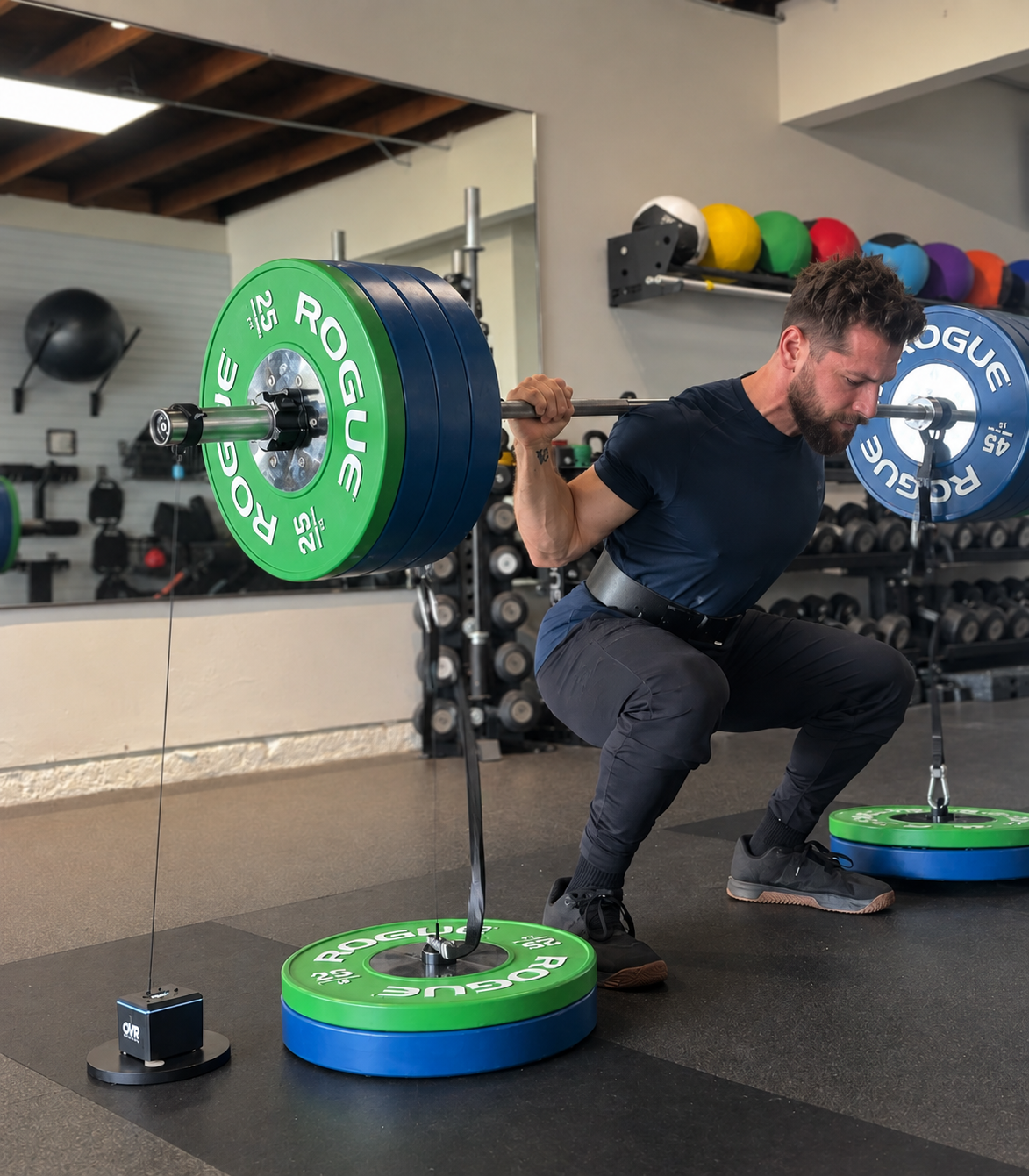
Have you ever noticed yourself holding your breath when lifting something heavy or performing a difficult exercise? Breath holding is a common strategy the body uses to create trunk stiffness and increase stability. In certain situations, like heavy strength training, intentionally using a breath-holding strategy may be appropriate.
However, some people hold their breath during almost every activity. They may hold their breath while performing a squat, picking up groceries, doing abdominal exercises, or even standing up from a chair. Some people may hold their breath during stressful times. This can increase pressure within the abdominal cavity and change how the deep core system manages tasks.
For someone experiencing urinary leakage, pelvic pressure, or certain types of low back discomfort, consistently holding the breath may be one factor worth evaluating. This does not mean you should never hold your breath but rather that breathing strategies should be specific to the person and the activity. The question is whether you are choosing a breathing strategy that helps you perform the task or automatically holding your breath because your body does not have another strategy available.The Takeaway
Leakage during workouts may be common, but it is not something women have to live with. When the pelvic floor and deep core system work together effectively, they can manage pressure during movement and support the bladder.
If you notice leakage during exercise, it may be a sign that the system needs support. With proper treatment, many women are able to return to running, jumping, and lifting confidently — without worrying about leaking.
Why Holding Your Breath Can Change Core and Pelvic Floor Pressure
Breathing and low back pain may not seem connected, but the diaphragm and trunk muscles contribute to how the body manages movement and stability. Your low back does not work in isolation. Again, the muscles surrounding the spine coordinate with the abdominal wall, diaphragm, hips, and pelvic floor during activities.
Some people with low back pain develop protective movement strategies. They may brace their abdomen constantly, limit movement, or hold their breath during activities they perceive as difficult or painful. Initially, this may feel protective as creating more stiffness around the spine can sometimes make a movement feel safer. However, more tension is not always better.
If you are constantly bracing your core at maximum effort, your body may have difficulties adapting to different movement demands. You may also notice increased fatigue or a feeling of constant tightness through the abdomen and low back.
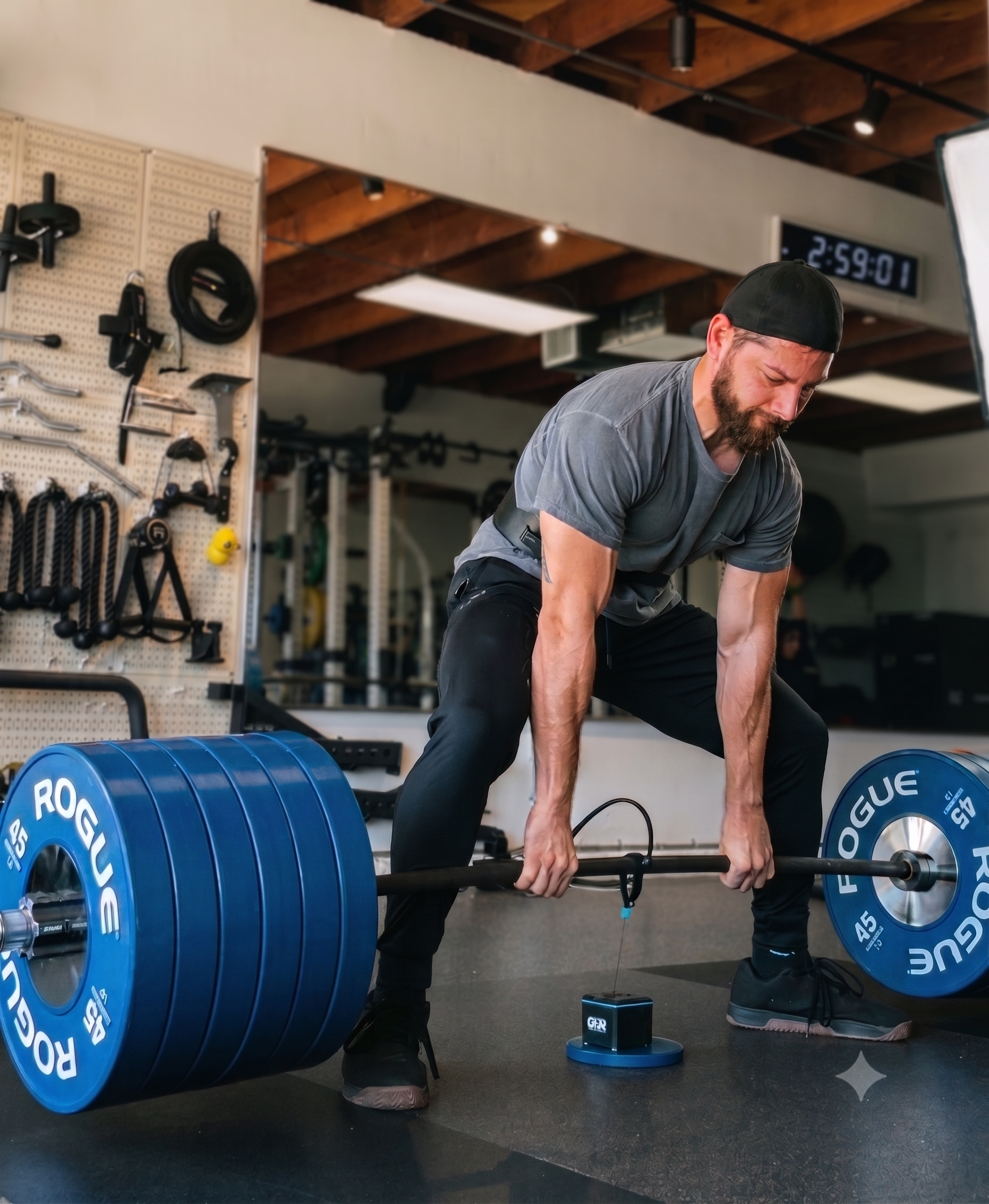
The goal of core stability is not to make your spine completely rigid. Your trunk needs to create enough support for the task while still allowing you to breathe and move. For example, the amount of trunk stiffness needed to pick up a coffee mug is very different from the amount needed to perform a heavy deadlift. A well-coordinated core system should be able to adjust accordingly.
Are You Bracing Your Core All Day?
“Engage your core” is one of the most common cues almost all physical therapists will use throughout their treatment. Unfortunately, many people interpret this as pulling their stomach in and holding it tight all day. You may have even been told to constantly “suck in your stomach” or keep your abs tight to protect your back.
Your core muscles are supposed to work throughout the day, but they do not need to be consciously contracted at maximum effort at all times. Constant abdominal gripping may affect breathing mechanics and increase tension throughout the trunk. For some individuals, it may also influence how the pelvic floor responds to pressure. This is particularly relevant for people who already have difficulties relaxing their pelvic floor. If the abdominal wall and pelvic floor are constantly held in a state of tension, simply adding more strengthening exercises may not address the problem.
Sometimes physical therapy involves teaching the body how to create tension. Other times, treatment involves learning how to reduce unnecessary tension. The right approach depends on the individual.
Why “Just Do Kegels” Isn’t Always The Answer
Kegels are often recommended as the universal solution for pelvic floor problems. We have touched on this in another blog post and I definitely recommend checking it out if you have been doing kegels but your pelvic floor symptoms persist. But, as a quick summary, pelvic floor dysfunction is more complicated than simply having weak muscles.
Some individuals have difficulty generating an effective pelvic floor contraction. Others may have adequate strength but poor endurance or coordination. Some people have pelvic floor muscles that are overactive and have difficulty relaxing. This is where breathing becomes particularly important. Because the diaphragm and pelvic floor normally move together during respiration, breathing strategies can be used to improve awareness of pelvic floor movement.
For someone with an overactive pelvic floor, diaphragmatic breathing may help encourage pelvic floor lengthening and relaxation. For someone learning to coordinate a pelvic contraction, exhaling during effort may help improve awareness and timing.
The goal is not to prescribe one breathing strategy to everyone. Instead, physical therapy looks at how the individual manages pressure and coordinates their muscles during the activities that matter to them.
Breathing During Exercise: Should You Exhale On Effort?
You may have heard the cue “exhale on effort.” This typically means breathing out during the most challenging portion of an exercise. For example, exhaling when you stand up from a squat, push a weight overhead, or lift an object from the floor. Exhaling during effort can be a useful strategy for some individuals because it may help coordinate the abdominal wall and pelvic floor during movement.
For someone experiencing urinary leakage during exercise or learning how to reconnect with their core postpartum, this strategy may be helpful. However, exhaling on effort is not a universal rule that everyone must follow forever. Over time, you should be able to maintain your core activation without having to coordinate it with your breath. As exercise intensity increases, breathing strategies may change. Heavy lifting requires different pressure-management strategies than performing a bodyweight squat or carrying groceries.
The goal is to build a system that can adapt to different demands. Physical therapy can help determine which breathing strategies are appropriate based on your symptoms, activity level, and goals.
Signs Your Breathing And Core Coordination May Need Attention
There is no single breathing pattern that causes low back pain or pelvic floor dysfunction. However, certain symptoms may indicate that evaluating pressure management and core coordination could be helpful.
You may notice:
Holding your breath during most exercises
Urinary leakage when running, jumping or lifting
Pelvic pressure or heaviness during activity
Difficulty relaxing your abdominal muscles
Constant abdominal gripping or “sucking in”
Low back tension during core exercises
Difficulty feeling your pelvic floor contract or relax
Feeling like you need to brace excessively during everyday movements
These symptoms do not automatically mean that your breathing is the cause of the problem. Instead, they may indicate that your core system deserves a more comprehensive assessment.
How Physical Therapy Can Help
A physical therapist can evaluate how your breathing, core, pelvic floor, and movement patterns work together. For individuals with low back pain, this may involve assessing trunk strength, mobility, breathing strategies, hip function, and how the body responds during activities such as bending, lifting, or exercise. When working with a trained pelvic floor physical therapist, the evaluation may also include assessing pelvic floor strength, endurance, relaxation, and coordination
Treatment is not simply about teaching everyone diaphragmatic breathing. Depending on the individual, physical therapy may include breathing exercises, pelvic floor coordination training, progressive core strengthening, lifting mechanics, and gradual exposure to activities that increase intra-abdominal pressure.
For example, someone experiencing leakage while lifting may need to improve the pelvic floor coordination and gradually increase the system’s ability to tolerate heavier loads. Someone with low back pain may need to build confidence and trunk capacity during bending and lifting rather than constantly bracing and avoiding movement.
The treatment should match the person, not just the symptom.
The Takeaway
Breathing is more connected to your core, pelvic floor, and low back than you may realize. Your diaphragm, abdominal muscles, pelvic floor, and spinal muscles work together to manage pressure and provide support during movement. When you inhale, exhale, lift, run, or jump, this system must constantly adapt to the demands placed on your body.
There is no single “perfect” way to breathe during every activity just like pelvic floor dysfunction and low back pain cannot always be solved by simply isolating your core and pelvic floor muscle activation. Sometimes the missing piece is strength. Sometimes it is endurance. Other times, the body may need better coordination or the ability to relax.
If you are experiencing persistent low back pain, urinary leakage, pelvic pressure, or difficulty engaging your core, a physical therapist can help evaluate how your breathing and pressure-management strategies may be influencing your symptoms.
The goal is not to spend your entire day thinking about how you breathe. The goal is to help your body develop the strength, coordination, and adaptability needed to move confidently through everyday life.
DISCLAIMER
Disclaimer: This blog is intended for educational purposes only and should not be considered a substitute for individualized medical advice, diagnosis, or treatment. Breathing, core coordination, pelvic floor function, and low back pain can be influenced by many different factors, and the information discussed in this article may not apply to everyone. If you are experiencing persistent low back pain, urinary leakage, pelvic pressure, pelvic pain, or difficulty with core or pelvic floor function, consider consulting a qualified healthcare professional or physical therapist for a comprehensive evaluation and personalized treatment plan.