Heavy Lifting and Your Pelvic Floor: What Every Female Athlete Should Know
The One Thing Every Female Athlete Should Know
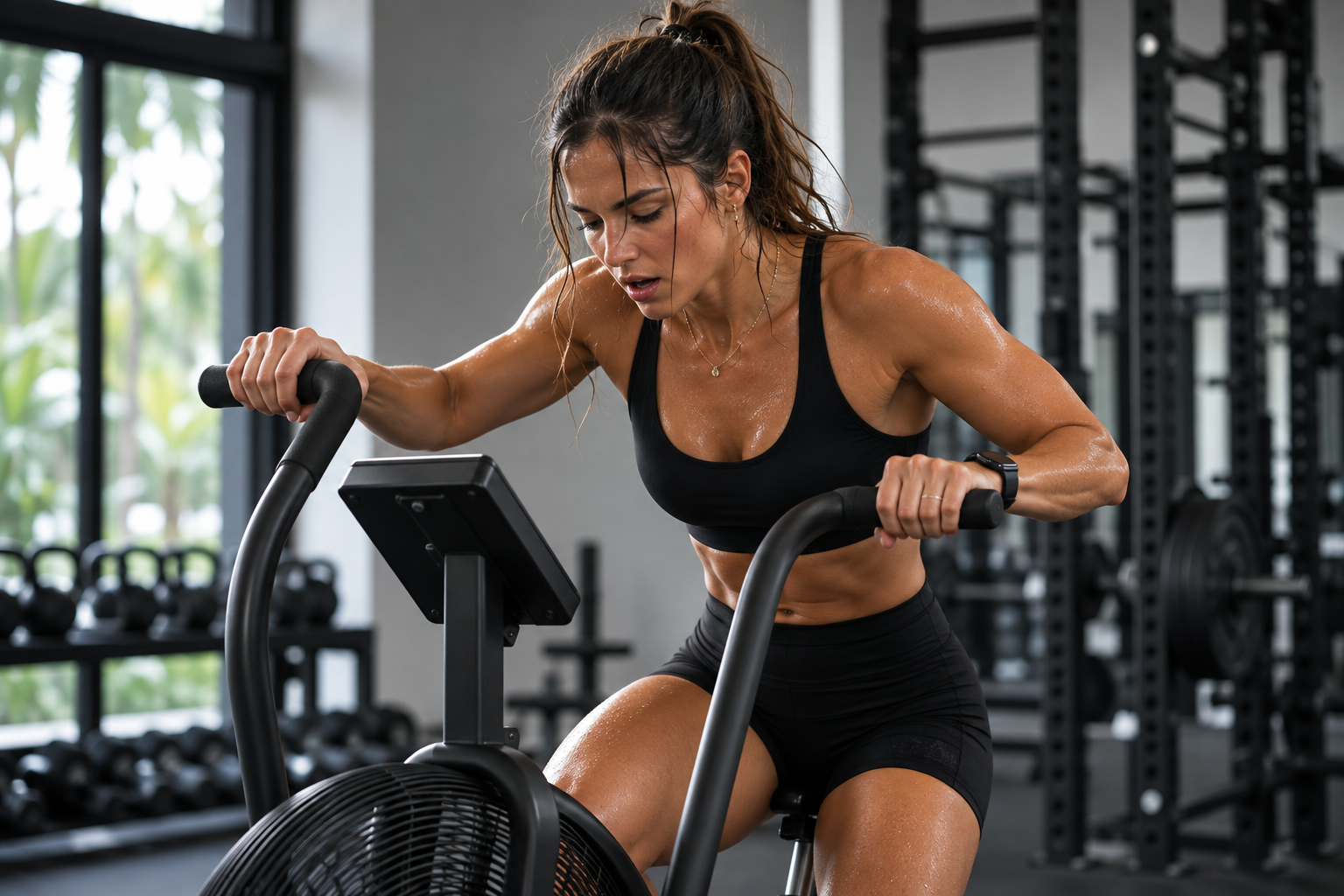
If you lift weights, run, or train regularly, you have probably heard how important strength training is for long-term health - and it is. Strength training helps combat age-related muscle loss, boost metabolism, and improve bone density. These benefits support your body so you can stay strong and active for years to come.
But as more women train at higher intensities, a different set of questions often comes up:
Why am I leaking when I jump or run?
Why do I feel heaviness in my pelvis when lifting heavy?
Why does my low back hurt during workouts?
Here is the most important thing to understand:
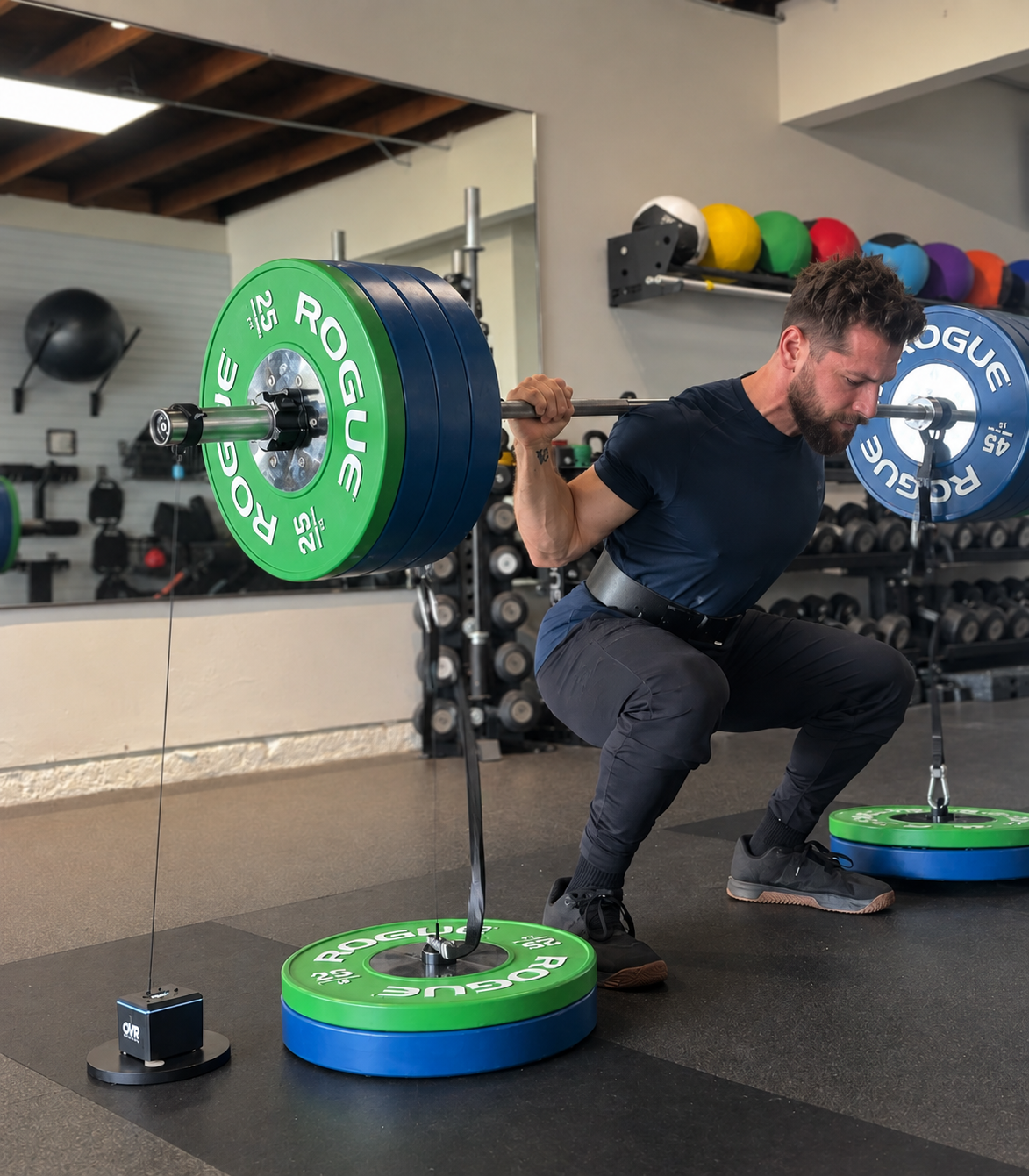
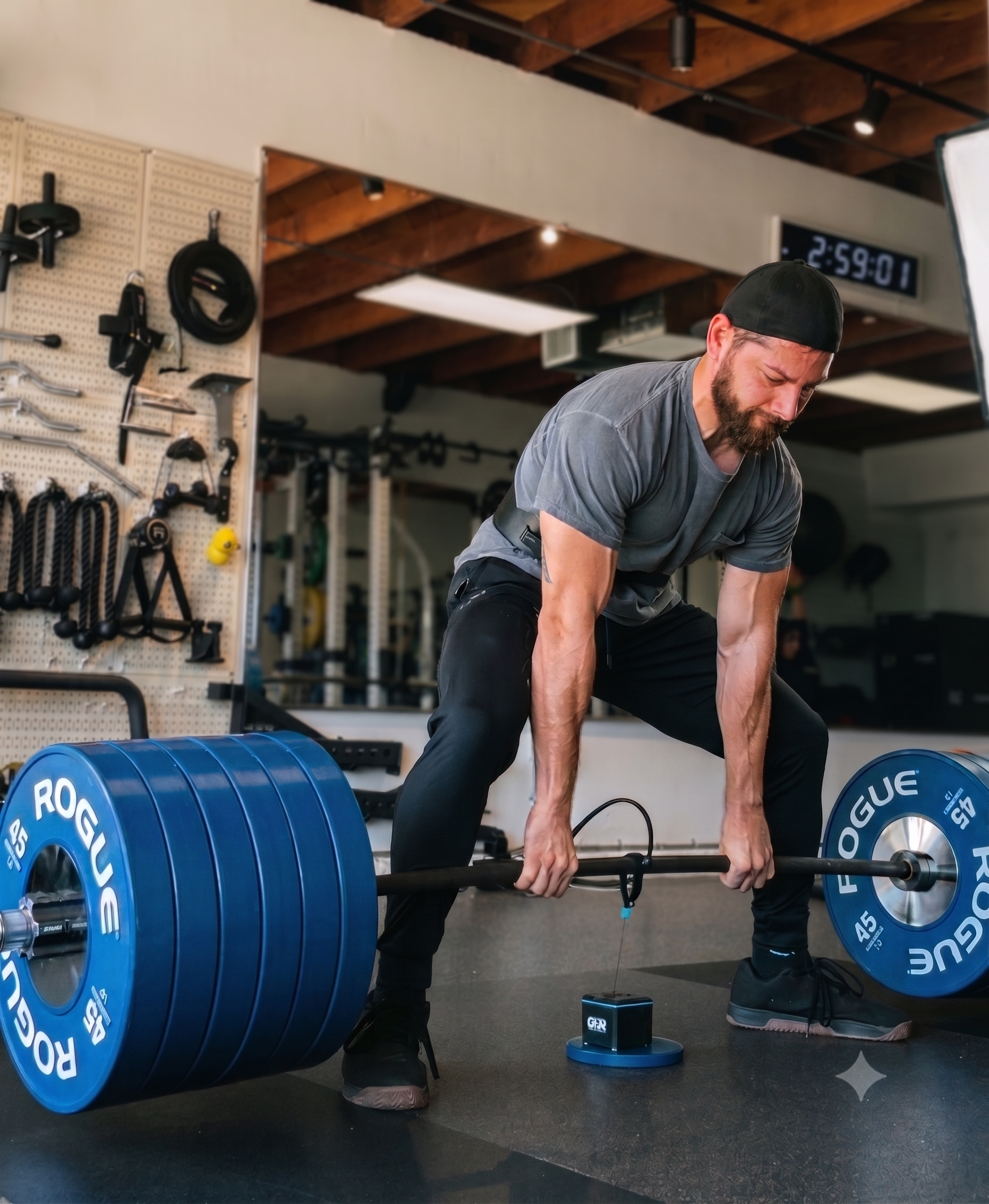
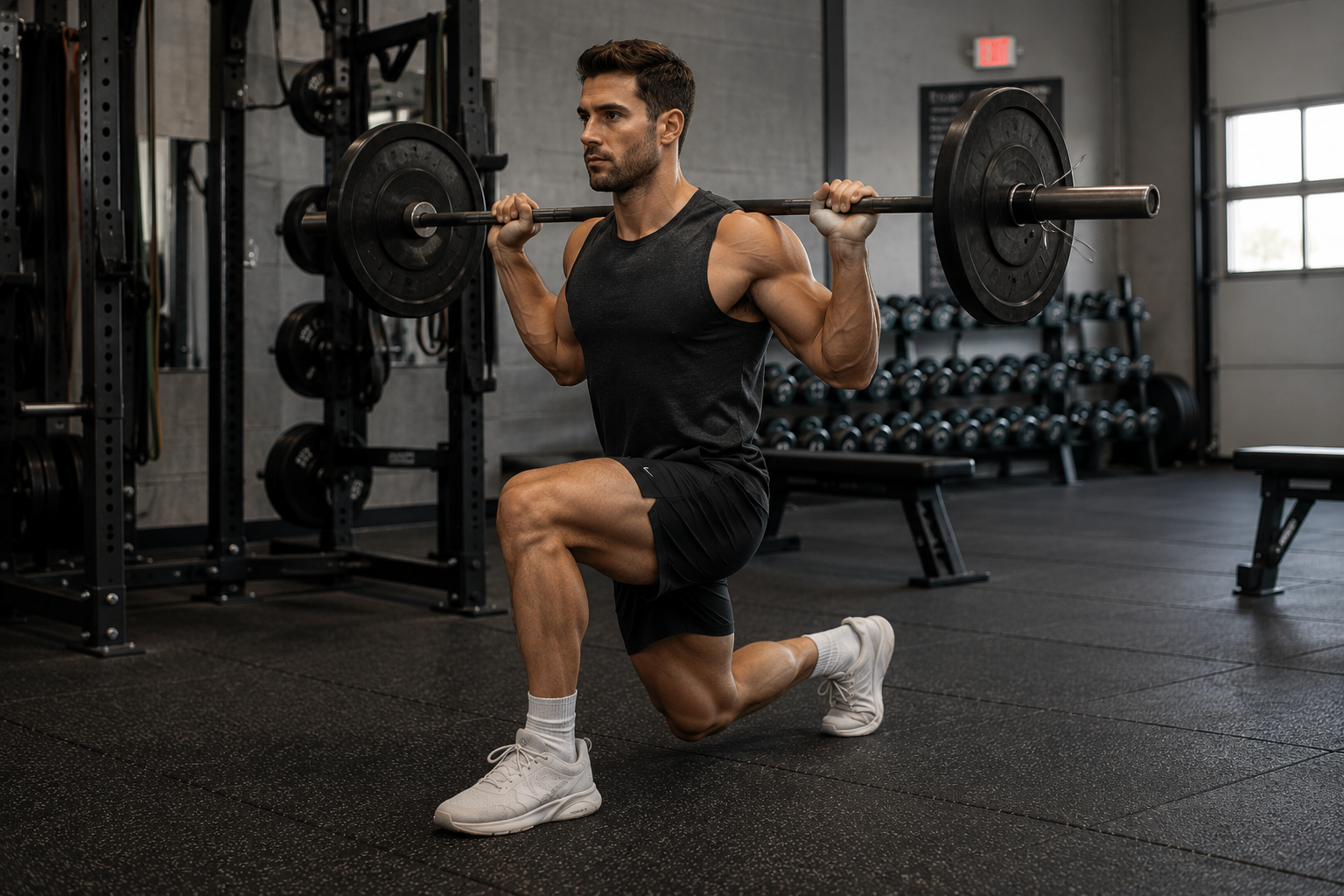
Heavy lifting is not the problem. How your body manages pressure is.
Your pelvic floor is a key part of that system. When your pelvic floor works well with the rest of your core, it helps support your spine and pelvic organs while you lift, run, and train. When it does not, symptoms like leaking, pelvic heaviness, or hip and back pain can show up.
These symptoms are common - but they are not something you should have to accept as a normal part of training.
What Actually Happens to Your Pelvic Floor Under Load
During activities like lifting, running, or jumping, pressure naturally increases inside your abdomen.
Your body manages this pressure using a system often referred to as the deep core. This system includes:
The diaphragm
The deep abdominal muscles: transverse abdominis
The spinal stabilizers: multifidus
The pelvic floor
These muscles are designed to work together. When these muscles coordinate well, they create stability for the spine and support the pelvic organs while distributing pressure throughout the core. In other words, pressure is shared across the system rather than being pushed downward into the pelvis.
The pelvic floor is designed to handle this load. But like any muscle group, it needs to be strong, responsive, and able to both contract and relax in order to do its job effectively. When this coordination is off, the body has a harder time managing pressure - especially during higher-intensity movements. That is when symptoms start to appear. Tight Does Not Always Mean Short
One of the biggest misconceptions around low back pain is the idea that tight muscles simply need to be stretched. In reality, muscles can feel tight for several different reasons, and not all of them are solved by lengthening.
Sometimes, muscles feel tight because they are weak and overcompensating. For example, if your core muscles are not providing enough support, your low back muscles may work harder to stabilize your spine. As a result, they become fatigued and feel tight - but the issue is not that they need more stretching, it is that they need better support.
Other times, muscles feel tight because of poor condition. If your body is not distributing movement or load efficiently, certain areas can become overused. Stretching those areas may provide temporary relief, but it does not change the underlying pattern that is causing the problem.
In some cases, tightness is actually a protective response. Your body may increase muscle tension to guard against pain or instability. When this happens, stretching alone may not be effective because your body is trying to maintain that tension for a reason.
What Pelvic Floor Dysfunction Can Look Like in Training
Pelvic floor dysfunction does not always show up in obvious ways. Many athletes assume their symptoms are related to technique, a weak core, or tight hips. In reality, the pelvic floor may not be coordinating well with the rest of the core.
Some signs your pelvic floor may not be handling load well include:
Leaking
Urine or fecal leakage during laughing, coughing, sneezing, running, or lifting can occur when the pelvic floor muscles are not contracting or coordinating appropriately to manage pressure.
Pelvic heaviness or pressure
A sensation of heaviness, dragging, or feeling like something is “falling out” may indicate that the pelvic floor is not adequately supporting the pelvic organs, especially during prolonged standing or higher-impact activities.
Low back, hip, or pelvic pain
Pain in the low back, hips, or pelvis can sometimes be related to pelvic floor dysfunction. The pelvic floor contributes to deep core stability, and both weakness and excessive tension can affect how surrounding muscles and joints function. Some individuals may also experience pain with sexual activity.
Difficulty with elimination
Constipation, straining, or difficulty fully emptying the bladder can occur when the pelvic floor muscles are unable to properly relax and lengthen.
Why This Happens (And Why It Gets Missed)
One of the biggest misconceptions is that these symptoms are simply a result of weakness. In reality the pelvic floor may be:
Underactive
Overactive
Poorly coordinated
Many athletes usually have a pelvic floor that is overworking or not timing correctly, rather than one that is simply weak. Most often, people are told to strengthen their core, stretch more, and improve their technique. While these can help, they do not always address how the pelvic floor is functioning within the system.
Lifting Is Not the Problem
Heavy lifting itself is not the issue. The pelvic floor is built to handle load, impact, and movement. The problem occurs when the muscles of the deep core are not coordinating properly to manage pressure.
When the diaphragm, abdominals, spinal stabilizers, and pelvic floor work together effectively, the body can generate strength and power without placing excessive stress on the pelvis.
This is why pelvic floor training is not about avoiding the gym. It is about improving how your body responds to load.
What Proper Pelvic Floor Training Looks Like
Pelvic floor training is not just about doing kegels. It is about improving how the entire system works together.
This may include:
Improving breathing mechanics
Learning how to manage pressure during lifts
Coordinating pelvic floor contraction and relaxation
Addressing tension in the hips, low back, and core
Gradually progressing load and impact
For many athletes, the goal is not just to get stronger. It is to move better under load.
The Takeaway
If you are training hard but dealing with symptoms like leaking, pelvic heaviness, or persistent back and hip discomfort, your pelvic floor may be part of the picture.
The key takeaway is simple: Heavy lifting is not the problem. Poor pressure management is.
When your deep core system is working well, your pelvic floor can support you through lifting, running, and high-impact activity. With the right coordination and training, heavy lifting and a healthy pelvic floor can absolutely coexist.
You should be able to train hard - and feel supported doing it.
DISCLAIMER
Disclaimer: The information in this article is intended for educational purposes only and should not be considered medical advice or a substitute for an individualized evaluation by a qualified healthcare provider. Every person and every pelvic floor is different. If you are experiencing symptoms such as urinary leakage, pelvic heaviness, pain, or difficulty with bowel or bladder function, consult a licensed pelvic floor physical therapist or your healthcare provider for a comprehensive assessment and personalized treatment plan.